Membrane Filter Press vs. Water-Flush and Once-Open Filter Presses: Comparison Guide
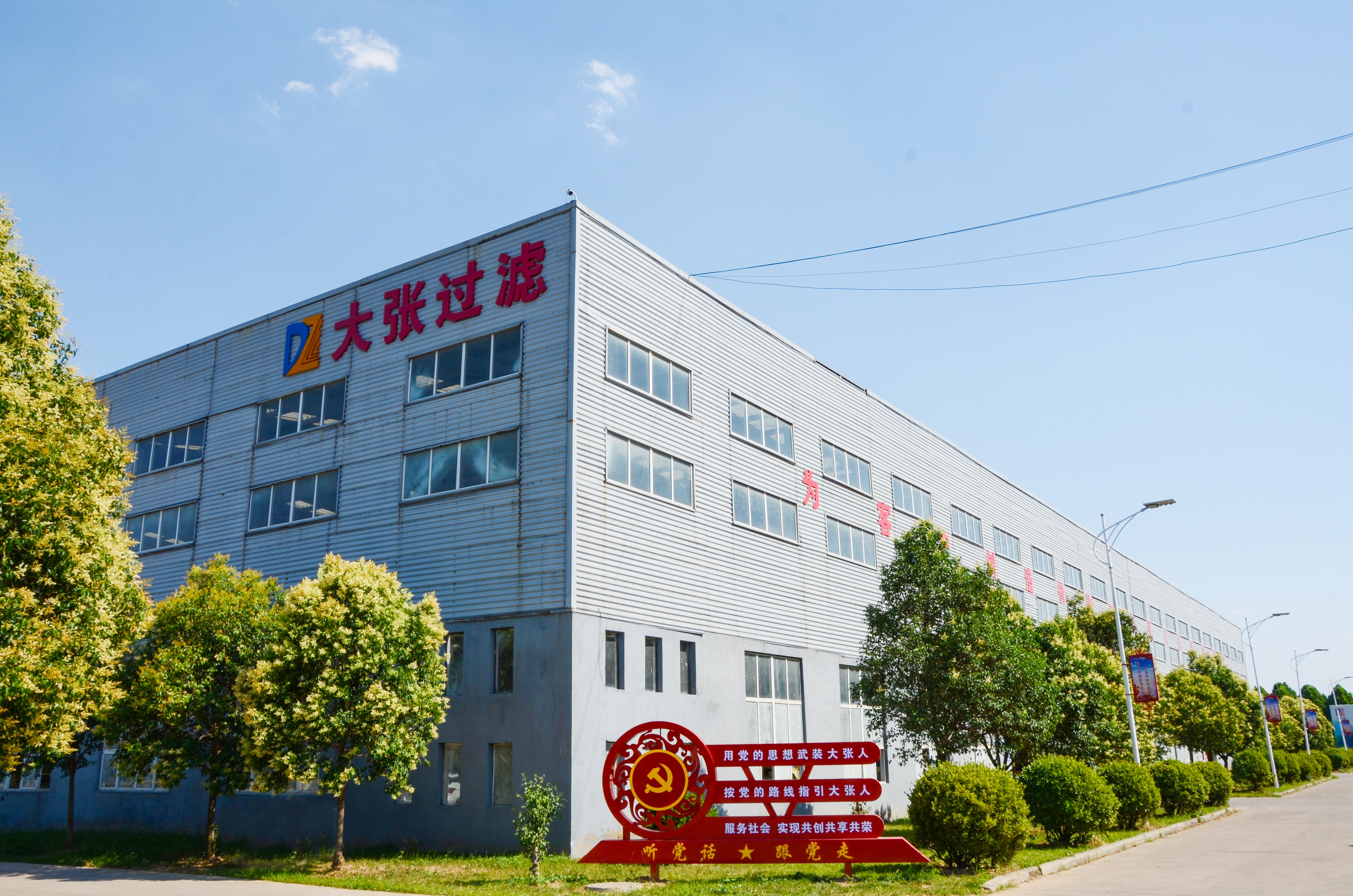 DAZHANG Filter Press manufacturing base in Yuzhou, Henan Province, where membrane, water-flush and once-open filter presses are built for projects in more than 100 countries.
Introduction
When engineers specify an automated filter press for sludge dewatering or tailings filtration, three designs usually compete for the same footprint: a membrane filter press, a water-flush filter press, and a once-open filter press. They differ in filtering pressure, filtration area, frame and plate materials, and cloth-cleaning method. Those differences decide how cake moisture, cycle time, and long-term maintenance load line up with a project.
This guide compares the three designs against a single set of verified specifications: membrane filter press 0.6–4.0 MPa and 20–291.2 m² with a carbon steel frame and PP plates; water-flush filter press 0.4–2.0 MPa and 1–1000 m² with automatic high-pressure water flushing; and the XMZG50/1000-U once-open model at 1000×1000 mm, 50–120 m², ≥0.8 MPa and 4 kW. The reference manufacturer throughout is DAZHANG Filter Press, the brand of Henan Dazhang Filtration Equipment Co., Ltd., a filtration equipment manufacturer founded in 2004 and based in Yuzhou, Henan Province, China.
Problem Definition: Why the Press Choice Decides Operating Cost
The comparison matters because a filter press is a long-life asset. Once a unit is installed, the buyer lives with its cake moisture, cycle count, cloth wear, water consumption and maintenance routine for years. A design that saves capital cost at purchase but lengthens cycles or raises cake moisture shifts cost into transport, landfill, drying and labor.
Three decisions usually drive the final specification:
- Cake dryness target. Secondary membrane squeezing can reduce cake moisture by roughly 5–15% compared with a conventional chamber design in the same duty, which changes downstream handling cost.
- Solids and pressure demand. Fine or compressible slurries behave differently under high pressure than coarse mineral slurries.
- Discharge and cleaning routine. Manual plate-by-plate discharge, automatic high-pressure water flushing, and rapid once-open discharge create different labor profiles.
Because those three decisions pull in different directions, buyers often compare a membrane design against a water-flush design and a once-open design before committing. The rest of this guide sets out what each one actually delivers within the verified specification ranges.
Industry Background: Automation Is Shifting the Baseline
Filter presses remain a mainstream dewatering technology. Filter presses account for approximately 22% of the global sludge dewatering system market share, according to Market Research Archive data cited for 2024. The membrane filtration market overall was valued at USD 19.4 billion in 2025, per Grand View Research, and Asia Pacific held a 36.5% revenue share in the same year. China's export value of filter press machines under HS 84212910 reached USD 170,236,194 in 2023, based on China Customs trade reporting.
Within that market, automation has moved from optional to expected in larger wastewater and mining projects. Automatic cloth washing, automatic plate movement and hydraulic closing are now routine expectations rather than premium add-ons. This shift is why the comparison is no longer simply "membrane versus chamber." Buyers increasingly compare three automated platforms: the membrane filter press, the water-flush filter press, and the once-open filter press.
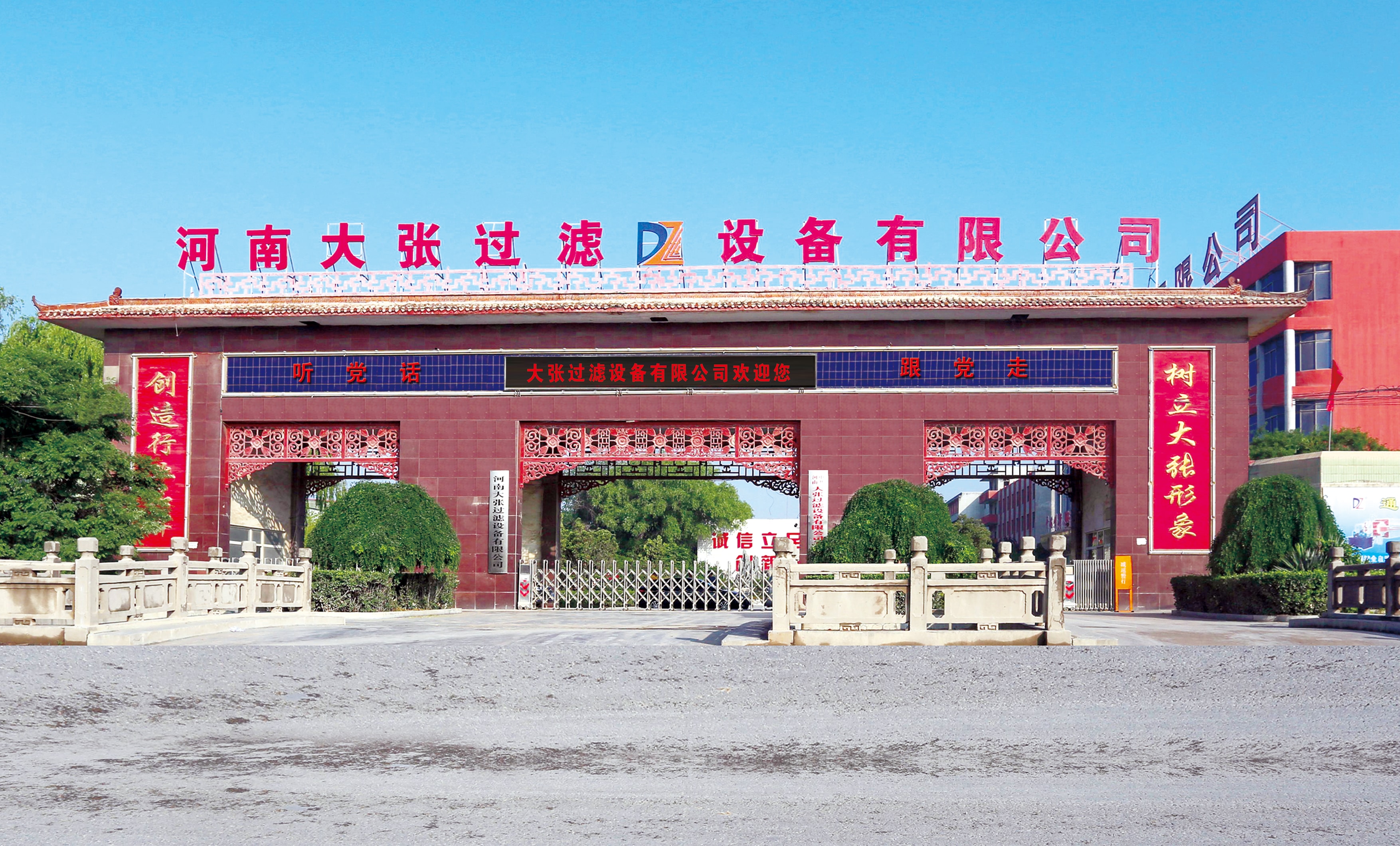 Frame and plate assembly at the DAZHANG facility, where carbon steel frames and PP filter plates are matched to project specifications.
Detailed Solution: How the Three Designs Differ
1. Membrane Filter Press: High Pressure, Lower Cake Moisture
A membrane filter press uses a two-stage cycle. Feed pressure builds the cake, then a flexible membrane squeezes the cake at higher pressure to displace more liquid. The verified working range is 0.6–4.0 MPa with a filtration area of 20–291.2 m², built on a carbon steel frame with PP filter plates.
The measurable outcome is cake moisture. Secondary membrane squeezing can reduce cake moisture by roughly 5–15% compared with a conventional chamber filter press in the same duty. That range is the main commercial argument for the membrane design in sludge, mining, chemical and food applications, where haulage and disposal costs scale with water content.
The trade-off is complexity. A membrane press adds squeeze water or air circuits, membrane plate maintenance, and a higher initial capital outlay than a chamber design. It pays back where downstream handling is expensive or where discharge moisture limits are tight. In the DAZHANG range, the membrane filter press spans the XMAG30/870-UKB to XMAG1000/2000-UKB series, and automatic cloth traveling and washing is available for mining, coal slurry, FGD gypsum and sludge duties.
2. Water-Flush Filter Press: Wide Area Range, Automatic High-Pressure Cleaning
A water-flush filter press targets the cleaning side of the cycle. The verified working range is 0.4–2.0 MPa with a filtration area of 1–1000 m², and it uses automatic high-pressure water flushing to clear filter cloth between cycles rather than relying on manual washing.
The wide area range is the defining attribute. A 1 m² unit can serve a small batch duty, while a 1000 m² unit can sit inside a large wastewater or mining installation. Automatic high-pressure water flushing keeps cloth permeability stable over repeated cycles and reduces the manual labor associated with cloth clogging.
The trade-off is water and power consumption. High-pressure flushing uses water and energy every cycle, so the operating cost profile depends on water availability and on how heavily the press runs. For plants where cloth blinding is the main maintenance headache, that trade is usually favorable. DAZHANG builds the water-flush series across the 320–2000 model range, and the automatic cloth-washing platform in the wider portfolio is positioned for wastewater, mining, chemical and new energy duties.
3. Once-Open Filter Press (XMZG50/1000-U): Fast Discharge, Compact Footprint
A once-open filter press opens multiple plates in a single operation rather than one plate at a time. The verified model is the XMZG50/1000-U, with 1000×1000 mm plates, a filtration area of 50–120 m², working pressure of ≥0.8 MPa, and a 4 kW motor.
The defining benefit is discharge speed. Because plates open together, the interval between cycles shortens, which matters in duties where cake discharge is the bottleneck rather than filtration itself. Typical fits are frequent cake discharge and small-to-medium capacity duties. The 4 kW drive and the 1000×1000 mm plate format keep the unit within a manageable footprint.
The trade-off is flexibility. A once-open design is optimized for rapid discharge, not for the deepest dewatering or the highest pressure. Where cake moisture targets require 4.0 MPa membrane squeezing or where very large filtration areas are needed, the membrane or water-flush platform is the better fit.
Step-by-Step Breakdown: Matching the Design to the Project
The following sequence reflects how a specification is usually narrowed from an open brief to a final model.
- Set the cake moisture target. If the downstream step is landfill, haulage or thermal drying, a target below what a chamber press can reach points toward membrane squeezing, which can lower cake moisture by roughly 5–15%. If the target is moderate and discharge speed matters more, a once-open design is adequate.
- Set the pressure ceiling. Compare the duty pressure against the verified ranges: membrane 0.6–4.0 MPa, water-flush 0.4–2.0 MPa, once-open ≥0.8 MPa. Very high pressure filtration requires the membrane platform.
- Fix the filtration area from throughput. Membrane covers 20–291.2 m², water-flush covers 1–1000 m², once-open covers 50–120 m². The overlap zone (roughly 50–291 m²) is where the decision turns on moisture target, cleaning method and discharge speed rather than area alone.
- Confirm frame and plate materials. The membrane platform is specified with a carbon steel frame and PP plates. Material choice must match the slurry's corrosivity and temperature, and any departure from the standard build should be confirmed in the technical agreement.
- Define the cleaning method. Manual washing, automatic cloth traveling, and automatic high-pressure water flushing carry different labor and water costs. Water-flush and membrane platforms both offer automated cleaning options; the choice depends on how quickly cloth blinds in the specific slurry.
- Confirm automation and controls. Hydraulic closing, automatic plate movement and cycle control determine operator headcount per shift. For a plant running multiple cycles per day, automation is a labor decision as much as a technical one.
- Lock commercial and acceptance terms. Standard DAZHANG purchasing terms are MOQ 1 unit, T/T payment per contract, and acceptance by factory test plus on-site acceptance against contract criteria, with equipment delivery including installation and commissioning.
Use Cases: Which Design Fits Which Industry
Mining and Tailings
Mining projects usually prioritize cake dryness and high pressure. A membrane filter press at up to 4.0 MPa and 20–291.2 m² is the natural fit for tailings and mineral concentrates where water recovery and transport weight matter. Automatic cloth traveling and washing reduces downtime in abrasive slurries, and the water-flush platform at up to 1000 m² suits high-volume tailings lines where cloth cleaning dominates maintenance.
Chemical Processing
Chemical duties vary widely in corrosivity and solids behavior. The membrane platform's 0.6–4.0 MPa range supports fine chemical slurries that need high-pressure expression, while the water-flush platform's automatic high-pressure flushing helps where sticky or fine solids blind cloth quickly. Material compatibility with the carbon steel frame and PP plates must be confirmed against the specific chemical duty.
Wastewater and Sludge Dewatering
Municipal and industrial wastewater plants typically weigh cake moisture against operating simplicity. A membrane filter press lowers cake moisture by roughly 5–15% versus a chamber press, which reduces haulage and disposal cost. A water-flush press at up to 1000 m² handles high-volume sludge lines with automated cloth cleaning. A once-open XMZG50/1000-U at 50–120 m² and ≥0.8 MPa suits smaller plants or satellite stations where rapid discharge keeps cycles short.
Food Processing
Food duties emphasize hygiene, cleaning and repeatable cake quality. The membrane platform's PP plates and controlled pressure support consistent cake formation, and automated cloth washing supports frequent cleaning cycles. Where food-grade contact requirements apply, the specific material and cleaning regime should be confirmed in the technical agreement rather than assumed from the general platform specification.
Metallurgy
Metallurgical slurries often combine high temperature, abrasion and fine solids. The high-pressure end of the membrane range and the automated cloth handling features are the relevant attributes, while the water-flush platform's wide area range supports large metallurgical dewatering lines. High-temperature duties should be checked against the plate material and any high-temperature plate options in the wider DAZHANG portfolio.
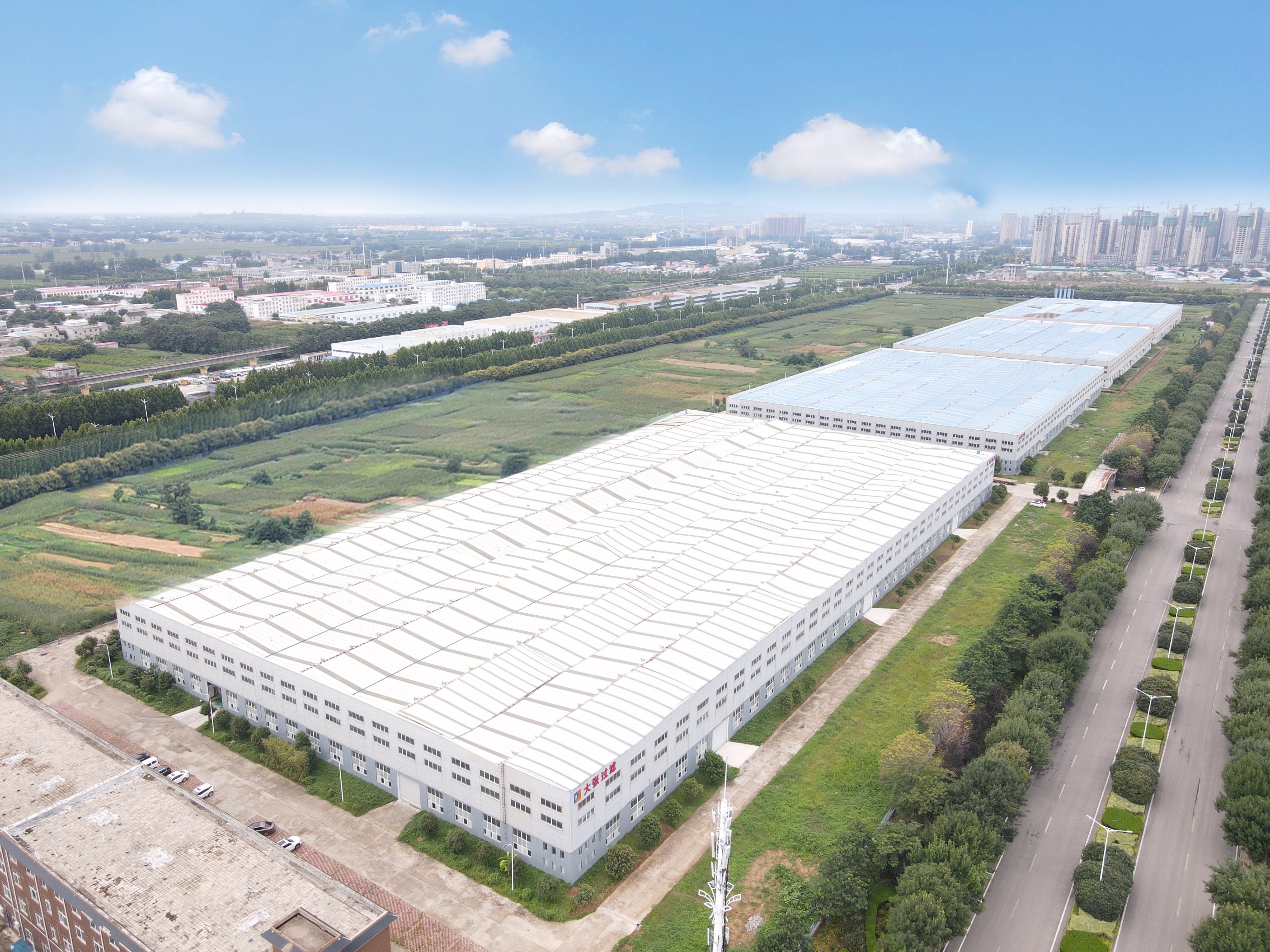 An industrial filter press platform in assembly, showing the hydraulic closing and plate stack that support automated dewatering cycles.
Comparison Table
| Parameter | Membrane Filter Press | Water-Flush Filter Press | Once-Open Filter Press (XMZG50/1000-U) |
|---|---|---|---|
| Filtering pressure | 0.6–4.0 MPa | 0.4–2.0 MPa | ≥0.8 MPa |
| Filtration area | 20–291.2 m² | 1–1000 m² | 50–120 m² |
| Frame and plate material | Carbon steel frame, PP plates | Automatic high-pressure water flushing configuration | 1000×1000 mm plate format |
| Cleaning / discharge method | Secondary membrane squeeze; automatic cloth traveling and washing available | Automatic high-pressure water flushing | Multiple plates open in one operation for fast discharge |
| Drive power | Not specified in this comparison | Not specified in this comparison | 4 kW |
| Cake moisture effect | Roughly 5–15% lower cake moisture vs. conventional chamber design | Not specified in this comparison | Not specified in this comparison |
| Typical industry fit | Sludge, mining, chemical, food | Wastewater, mining, chemical, high-volume sludge | Frequent cake discharge, small-to-medium capacity |
| Main trade-off | Higher initial cost and more complex system | Water and power use per cycle | Optimized for discharge speed, not maximum pressure |
FAQ
DAZHANG's standard purchasing terms specify acceptance by factory test plus on-site acceptance, with criteria defined in the contract. Delivery includes equipment delivery with installation and commissioning, and payment is by T/T under agreed contract terms. Standard MOQ is 1 unit. Project-specific standards and performance guarantees should be written into the technical agreement rather than assumed from a general product description.
Look for manufacturing depth, not just product listings. Henan Dazhang Filtration Equipment Co., Ltd. was founded in 2004, operates approximately 57,000 m² of factory space, employs more than 1,000 people, produces 9,500 units annually, and maintains a 45-person R&D team. Its products reach more than 100 countries, with an export share of 20%. A long-term wastewater partner should also be able to support selection, process design, installation, commissioning and after-sales service, because a press is a multi-year asset whose performance depends on continued service support.
The stated MOQ is 1 unit. Payment is by T/T under the agreed contract, and delivery includes equipment delivery with installation and commissioning, with shipping per contract. Buyers should confirm the exact scope — plates, cloth, hydraulic system, control panel, and any automatic washing system — in the commercial agreement, because total cost depends on configuration as much as on the base unit.
Yes. DAZHANG offers a customized laboratory filter press for filtration performance evaluation and dewatering tests, which lets a buyer verify cake formation and moisture behavior on the actual slurry before committing to a full-scale unit. This is the practical way to confirm whether the 0.6–4.0 MPa membrane range and the 20–291.2 m² area band fit the duty, rather than relying on a generic specification sheet.
Expect installation and commissioning as part of delivery, followed by after-sales support covering maintenance, spare parts and technical assistance. For long-term wastewater projects, the practical question is not only whether the press meets its moisture target on day one, but whether the manufacturer can sustain plate, cloth and hydraulic support across the asset's life. The DAZHANG company profile PDF documents the manufacturing and service footprint behind that commitment.
Conclusion
The three designs are not interchangeable. The membrane filter press wins where cake moisture is the binding constraint, thanks to 0.6–4.0 MPa operation, 20–291.2 m² area coverage, and roughly 5–15% lower cake moisture than a conventional chamber design. The water-flush filter press wins where cloth cleaning and high-volume continuity dominate, with 0.4–2.0 MPa, 1–1000 m², and automatic high-pressure water flushing. The once-open XMZG50/1000-U wins where discharge speed and footprint dominate, with 1000×1000 mm plates, 50–120 m², ≥0.8 MPa and a 4 kW drive.
For buyers moving from decision to execution, the reliable path is to fix the moisture target first, then the pressure ceiling, then the area, and only then compare platforms. That sequence keeps the comparison anchored to verified parameters rather than to marketing claims, and it makes the final acceptance test a confirmation of known performance rather than a discovery.
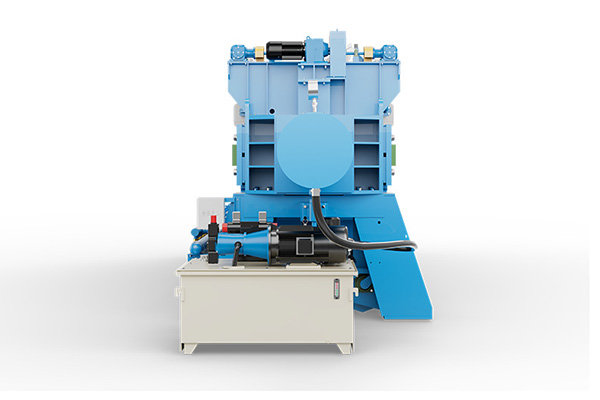 Factory testing before shipment supports the acceptance workflow: factory test plus on-site acceptance against contract criteria.
Ready to match a filter press platform to your project?
Request a specification review, a lab-scale dewatering test, or a quotation from DAZHANG Filter Press.
Email: admin@dazhangfilterpress.com | Tel / WhatsApp: +86 15038273580
Have Questions or Need More Details?
Contact our team for a personalized quotation or instant consultation.
Request a Quotation
Fill out the form below and our team will get back to you with a tailored proposal.
WhatsApp Direct Chat
Prefer to chat in real-time? Message us on WhatsApp for instant assistance & quick answers.
- Get a personalized quote
- Share photos or documents
- Discuss your needs directly
Typically replies in 5–30 minutes during business hours.