
Top 5 Membrane Filter Press Applications: Ranking by Industry Impact in 2026
Ranked by typical filtration pressure demand — the 0.6–4.0 MPa band that automatic membrane filter press portfolios cover — and by the scale of slurry each sector has to separate, the five highest-impact membrane filter press applications in 2026 are: 1. mining (tailings and mineral dewatering), 2. municipal and industrial wastewater sludge dewatering, 3. metallurgy, 4. chemical processing, and 5. coal preparation. Mining ranks first because it combines the highest pressure requirement with the largest tonnage; wastewater ranks second because of regulatory pressure and the number of installed units; metallurgy, chemical processing and coal follow on temperature, corrosion and moisture-reduction economics.
This is an application ranking, not a price ranking. It answers the question buyers ask most often during the Research and Evaluation stage: where does the extra cost of membrane squeezing actually pay back, and where is a simpler plate-and-frame or chamber design enough?
Problem Definition: Why Application Ranking Comes Before Model Selection
Most membrane filter press specification errors are not mechanical errors. They are application errors. A buyer compares two machines by filter area and price per square metre, but the machine that determines project success is the one matched to the slurry: its solids loading, its required cake moisture, its temperature and its chemistry.
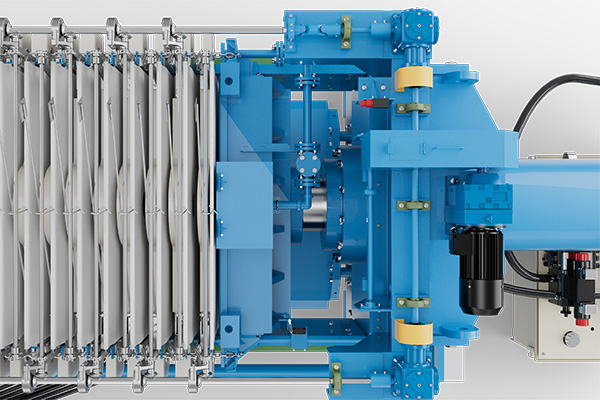
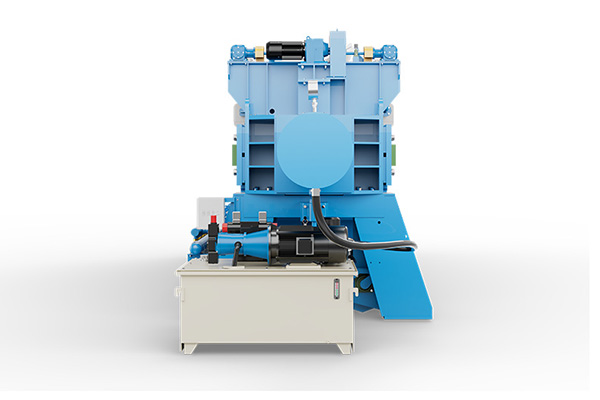
A membrane filter press is an automatic solid-liquid separation and sludge dewatering machine. After the feed pump fills the chambers, an inflatable membrane behind the filter cloth expands and mechanically squeezes the cake, which lowers cake moisture beyond what feed pressure alone can achieve. That squeezing step is what separates it from a recessed chamber filter press, where dewatering depends on pumping pressure only.
Three practical problems follow from ranking by application instead of by model number:
- Wrong pressure band. A project that needs the top of the range — up to 4.0 MPa filtering pressure in the cloth-traveling membrane series — will underperform on a machine built for 0.6 MPa filtration.
- Wrong plate or frame material. PP/TPE membrane plates suit ambient-temperature slurries; slurries at 120 °C or higher belong on a high-temperature press with cast iron plates.
- Wrong automation level. Municipal sludge lines often justify fully automatic operation with moving filter cloth and high-pressure squeezing; a small batch chemical line may not.
The ranking below is a decision-support framework built on verified parameter bands from the DAZHANG membrane filter press portfolio and on public market data. It is not a market-share table for individual industries.
Industry Background: What a Membrane Filter Press Does and Where It Is Applied
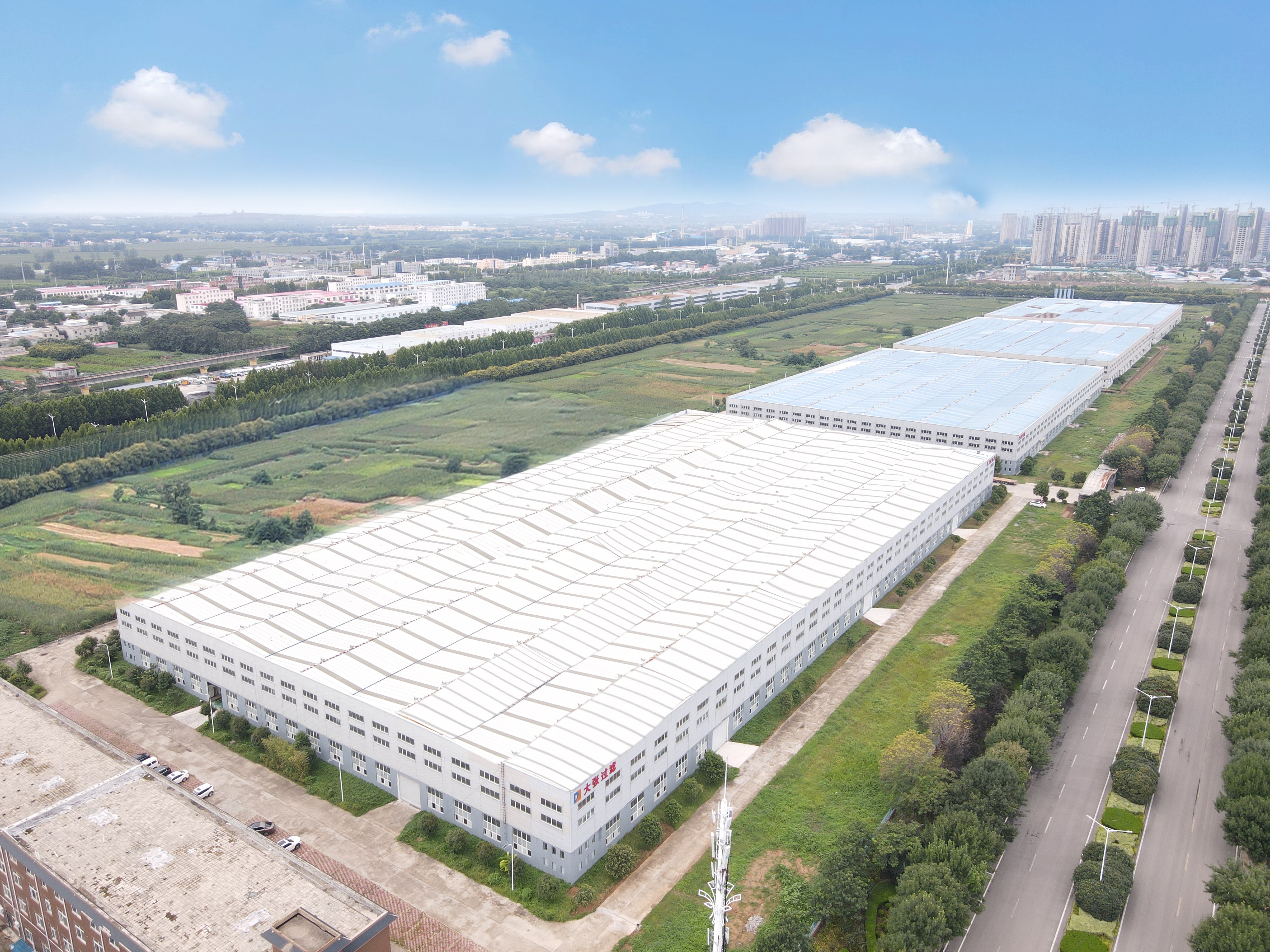
Henan Dazhang Filtration Equipment Co., Ltd. is a filtration and solid-liquid separation equipment manufacturer founded in 2004, based in Yuzhou, Henan Province, China. The company designs and builds filter presses, filter plates and industrial solid-liquid separation systems, provides equipment selection, process design, manufacturing, installation, commissioning and after-sales support, and serves customers in more than 100 countries across Asia, Europe, North America, South America, Africa and the Middle East.
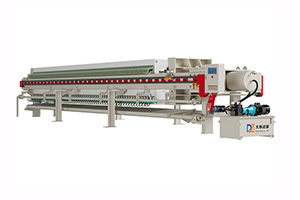
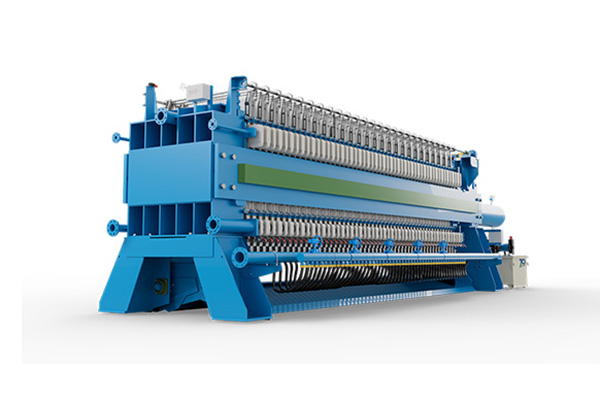
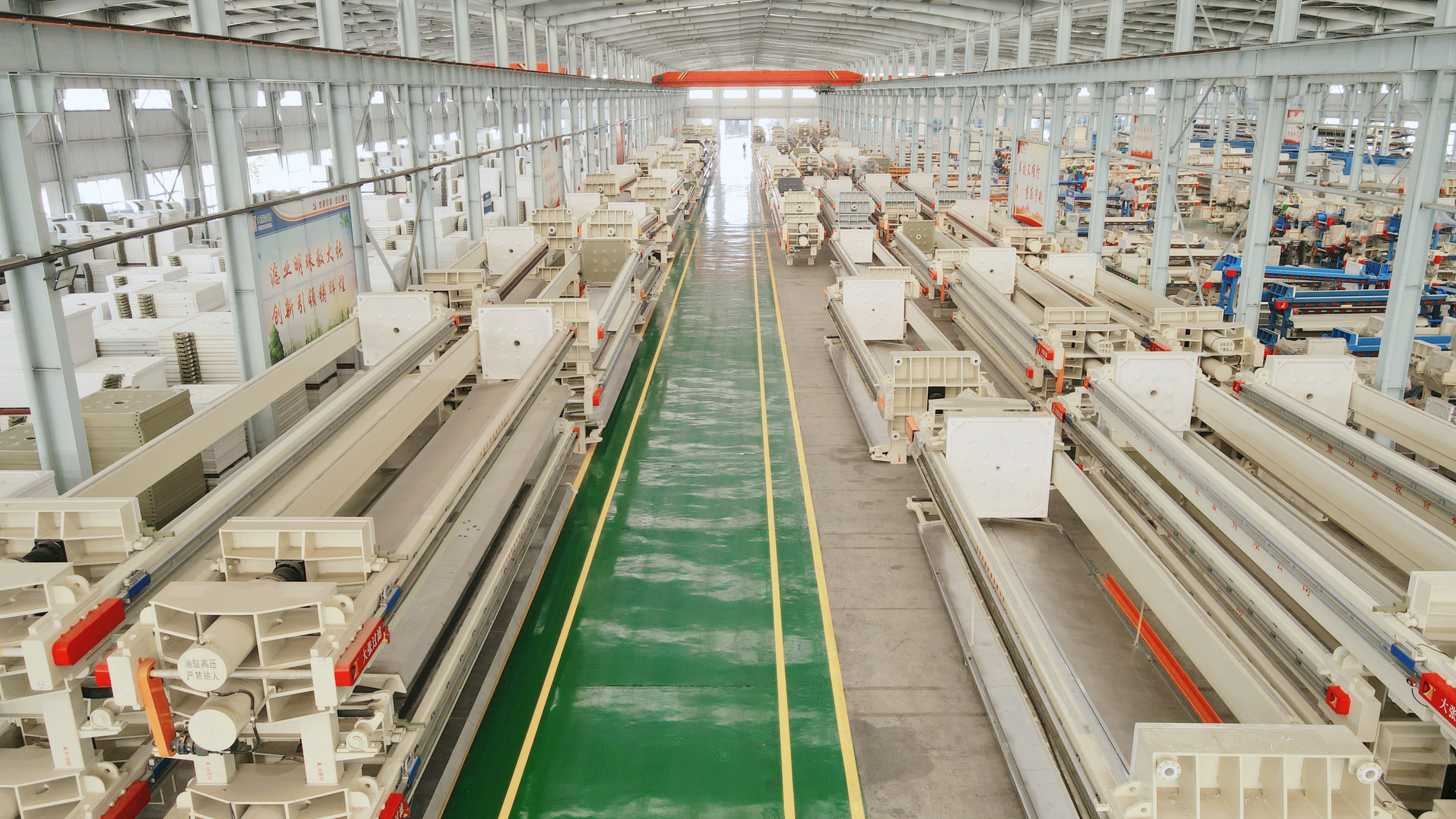
Across industry documentation, the membrane filter press is described as an automatic machine used for solid-liquid separation and sludge dewatering, and it is listed as applicable to mining, coal, metallurgy, chemical, power and sludge treatment. The XMAG30/870-UKB–XMAG1000/2000-UKB Series automatic membrane filter press covers filter areas of 30–1000 m² and plate sizes of 870–2000 mm, with feed pressure of 0.6–2.0 MPa and membrane squeezing pressure of 1.6 MPa, using PP/TPE membrane plates on a Q345 steel frame. The mobile filter cloth membrane filter press series reaches a filtering pressure of 0.6–4.0 MPa with a filter area of 20–291.2 m².
The wider market context explains why this ranking matters commercially. Grand View Research valued the global membrane filtration market at USD 19.4 billion in 2025, with Asia Pacific holding a 36.5% revenue share that year. Chinese exports of filter press machines under HS code 84212910 reached USD 170,236,194 in 2023, according to China Customs figures reported in secondary trade analysis. Separately, commercial market research published in 2024 estimated that filter presses account for approximately 22% of the global sludge dewatering system market — a reminder that the dewatering segment, not mineral processing alone, carries a large share of installed capacity.
Ranking Criteria: How the Five Applications Were Ordered
Four criteria decide the order. Each one is observable at the project stage, before a purchase order exists.
- Filtration pressure demand. Does the application require the upper end of the 0.6–4.0 MPa band, where membrane squeezing and high-pressure plate design are mandatory?
- Scale and continuity. How much slurry and how many cycles per day must the machine handle?
- Consequence of residual moisture. Water recovery, tailings stability, disposal cost and filtrate quality all carry a value that changes the payback calculation.
- Fit with membrane squeezing. Does mechanical squeezing produce a decisive moisture reduction, or is it a marginal improvement over a chamber press?
RANK 1Mining: Tailings and Mineral Dewatering
Mining ranks first because it simultaneously demands the highest filtration pressures and processes the largest material volumes of the five applications. Tailings and concentrate slurries are dense, abrasive and fine-grained, and the value of the separated water is recovered twice: once as process water returned to the circuit, and once as reduced impoundment volume and lower tailings-dam risk.
The pressure signature of this sector sits at the top of the range. High-pressure round plate presses in the DAZHANG portfolio are rated at 1.0–3.0 MPa filtration pressure for mining, kaolin and clay applications, while the automatic cloth-traveling membrane filter press series covers a filtering pressure of 0.6–4.0 MPa and lists mining among its application industries. For mineral slurries that must reach low cake moisture, that combination — high feed pressure plus membrane squeezing — is the defining configuration rather than an optional upgrade.
Why it ranks above rank 2: mining is the only application in this list where both the pressure ceiling and the tonnage ceiling are reached at the same time. Wastewater sludge dewatering, by contrast, usually runs in the 0.6–2.0 MPa feed range with 1.6 MPa squeezing, because municipal sludge is softer and more compressible than mineral tailings.
RANK 2Municipal and Industrial Wastewater: Sludge Dewatering at Scale
Wastewater sludge dewatering ranks second because of unit count and regulatory driver rather than peak pressure. It is the application where a fully automatic membrane filter press is most often specified: high-moisture sludge, deep dewatering targets and continuous operation are the standard working conditions, and the machine must discharge cake and clean cloth without manual intervention.
A municipal or industrial sludge line typically pairs the membrane filter press with a feed pump, an air compressor and a cloth washing system. The XMAG30/870-UKB–XMAG1000/2000-UKB Series automatic membrane filter press covers 30–1000 m² of filter area, feed pressure of 0.6–2.0 MPa and squeezing pressure of 1.6 MPa, and lists wastewater among its primary industries. Where the project also calls for filter cloth cleaning, an automatic water-flush press with automatic high-pressure water flushing covers filter areas of 1–1000 m² at a filtering pressure of 0.4–2.0 MPa.
Why it ranks above rank 3: the installed base is broader. Metallurgy requires higher temperature tolerance but uses fewer units; wastewater treatment is a routine procurement category in nearly every municipality and industrial park. The commercial research figure of roughly 22% of the global sludge dewatering system market held by filter presses in 2024 supports that reading.
RANK 3Metallurgy: Pressure Plus Temperature
Metallurgy ranks third because it adds a constraint the first two applications usually do not: heat. Slurries in smelting and metal-processing operations can be both high-pressure and high-temperature, and the equipment must withstand high-temperature and high-pressure slurry media, with temperatures up to 120 °C or higher.
For those conditions, the DAZHANG portfolio documents a high-temperature filter press range with nodular cast iron plates, filter areas of 1–80 m², filtration pressure of 0.6 MPa and applicability at 120 °C or above, used in oil, chemical and high-temperature slurry filtration; the equipment operates hydraulically and is supported by feed pumps, hydraulic systems and cast iron filter plates. Membrane filter presses are listed as applicable to metallurgy for the ambient-temperature portion of the process, where PP/TPE membrane plates and Q345 frames are used.
Why it ranks below rank 2: the boundary condition limits volume. Where process temperature exceeds the working range of polymer membrane plates, a cast iron high-temperature press is the appropriate machine and the membrane squeeze is not available — a constraint buyers should establish early, because it changes the plate material, the frame and the maintenance plan together.
RANK 4Chemical Processing: Corrosion, Fines and Filtrate Quality
Chemical processing ranks fourth. The pressure requirement is moderate — the same 0.6–2.0 MPa feed band and 1.6 MPa squeezing pressure that the XMAG series covers — but the chemistry and the fines are demanding. Membrane filter presses used in chemical applications are specified for high-pressure filtration and for corrosive slurries, with corrosion resistance and high-pressure squeezing listed as special requirements.
Chemical plants also often treat the filter press as one stage of a longer separation train. Downstream polishing equipment from the same portfolio includes cartridge filters for removing fine particles from corrosive media under high pressure, candle filters with a filtration precision of 0.22–100 µm, and bag filters with filtration precision up to 0.5 µm. The press removes the bulk cake; the polishing stage protects product quality.
Why it ranks below rank 3: tonnage per site is usually lower. A chemical line may run one press on a batch or semi-continuous cycle, whereas a metallurgical or mining operation runs the press as a core production asset at continuous scale.
RANK 5Coal Preparation: Volume Before Moisture
Coal preparation ranks fifth, and the reason is specific rather than dismissive. In coal slime and tailings dewatering, the dominant requirement is throughput and reliability, not the last few percentage points of cake moisture. That is why the automatic cloth-traveling membrane filter press series lists coal among its industries alongside mining, metallurgy, chemical, power and sludge treatment, and why high-capacity automatic designs — such as the once-open filter press with a filter area of 50–120 m² and one-time plate opening for fast discharge, also listed for coal — are common in this segment.
Where a coal operation does need low cake moisture or improved water recovery, membrane squeezing applies at the lower end of the 0.6–4.0 MPa band, and the payback comes from transport and disposal savings rather than from product purity.
Why it ranks fifth rather than higher: the ranking weights pressure demand and consequence of residual moisture alongside volume. Coal scores high on volume but lower than mining, wastewater, metallurgy and chemical processing on the pressure and moisture-sensitivity criteria that decide whether membrane plates are required at all.
Step-by-Step Breakdown: Mapping Your Project onto This Ranking
Use the following sequence to place your own project in the ranking and convert it into a specification.
- Classify the slurry. Identify the industry, the solids, and whether the medium is corrosive, high-temperature or abrasive. This decides plate material before it decides size.
- Set the cake moisture target. If the target cannot be met by feed pressure alone, the project needs membrane squeezing; if it can, a chamber press with 0.6–4.0 MPa filtration pressure may be sufficient.
- Define the filtration pressure band. Establish whether the duty sits in the 0.6–2.0 MPa feed range, requires the 1.6 MPa squeezing step, or needs the upper end of the 0.6–4.0 MPa range used for mining and mineral slurries.
- Size the filter area. The automatic membrane filter press series spans 30–1000 m² with 870–2000 mm plates; the cloth-traveling membrane series spans 20–291.2 m² with 1100/1500 mm plates.
- Choose the automation level. Decide between fully automatic operation with moving filter cloth and cloth washing, and a simpler automatic or semi-automatic cycle. Discharge speed, labour availability and shift pattern determine the answer.
- Check the supporting equipment list. A membrane sludge line typically requires a feed pump, an air compressor and a cloth washing system; a water-flush press additionally requires a high-pressure water pump and washing system.
- Validate on a small scale. A laboratory filter press with 0.32 m² of filter area, 3+1+1 or 5+1+1 plates and 0.6 MPa feed pressure supports filtration testing and dewatering evaluation before the full-scale order.
Use Cases: Two Field References from the DAZHANG Project Record
Rankings are useful only if they survive contact with operating data. Two references from the DAZHANG project record show how the top two applications behave in practice.
Mining and wastewater: mobile filter cloth membrane filter press
A mobile filter cloth membrane filter press was installed for a mining enterprise and a wastewater treatment plant in China for sludge dewatering and solid-liquid separation. The equipment has been in operation for more than three years, with automatic cloth moving, efficient dewatering and easy maintenance; the reported outcome was higher dewatering efficiency and lower cake moisture.
Industrial wastewater: XMAG series membrane filter press
An XMAG30/870-UKB–XMAG1000/2000-UKB series membrane filter press was installed by an industrial wastewater treatment plant and an environmental-protection engineering company in China. The unit supports feed pressure of 0.6–2.0 MPa and squeezing pressure of 1.6 MPa for high-pressure dewatering. The project has been operating for over three years with lower cake moisture and stable operation.
Comparison Table: The Five Applications Side by Side
| Rank | Industry | Typical filtration pressure demand | Why membrane squeezing matters | Configuration reference from the DAZHANG portfolio |
|---|---|---|---|---|
| 1 | Mining (tailings, minerals) | Upper band, up to 4.0 MPa in the cloth-traveling membrane series; high-pressure round plate presses rated 1.0–3.0 MPa | Water recovery and lower tailings volume; abrasive, fine mineral slurries resist simple dewatering | Automatic membrane filter press; mobile filter cloth membrane filter press (filter area 20–291.2 m²) |
| 2 | Municipal and industrial wastewater | Feed 0.6–2.0 MPa with 1.6 MPa membrane squeezing | Deep dewatering of high-moisture sludge; disposal volume and transport cost | XMAG series automatic membrane filter press (30–1000 m²); fully automatic operation with moving filter cloth |
| 3 | Metallurgy | 0.6–2.0 MPa feed range; high-temperature presses rated 0.6 MPa and 120 °C or above | Squeezing lowers cake moisture in the ambient-temperature stage; temperature defines the plate material | PP/TPE membrane plates at ambient temperature; cast iron high-temperature press (1–80 m²) above the polymer range |
| 4 | Chemical processing | Feed 0.6–2.0 MPa; corrosion-resistant specification | Corrosive slurries and fine particles require high-pressure squeezing plus corrosion resistance | Automatic membrane filter press for chemical filtration; polishing via cartridge, candle and bag filters |
| 5 | Coal preparation | Lower end of the 0.6–4.0 MPa band; throughput-led selection | Volume and reliability dominate; squeezing pays back through disposal savings | Automatic cloth-traveling membrane filter press; high-capacity automatic designs such as the once-open press (50–120 m²) |
The table below summarises the two membrane press series referenced throughout this ranking, so that the pressure bands above can be matched to a concrete configuration.
| Series | Type | Filter area | Plate size | Pressure | Listed industries |
|---|---|---|---|---|---|
| XMAG30/870-UKB–XMAG1000/2000-UKB | Automatic membrane filter press | 30–1000 m² | 870–2000 mm | Feed 0.6–2.0 MPa; squeezing 1.6 MPa | Wastewater, mining, chemical, food, pharmaceutical, metallurgy |
| 1100 / 1500 series (mobile filter cloth membrane) | Automatic membrane filter press | 20–291.2 m² | 1100 / 1500 mm | Filtering pressure 0.6–4.0 MPa | Mining, coal, metallurgy, chemical, power, sludge treatment |
FAQ
What quality checks should a membrane filter press supplier provide before shipment?
A supplier should be able to document its quality system and a full machine test before delivery. DAZHANG Filter Press applies ISO 9001 quality control and runs a complete machine operation test, then supports delivered equipment with a 1-year warranty, installation guidance and remote technical support. Ask for these three items — quality certification, machine test record and warranty scope — before comparing prices, because they determine what happens in the first year of operation.
How do I select an automatic membrane filter press for municipal wastewater projects?
Start from the sludge line, not the machine. Municipal and industrial sludge dewatering typically requires fully automatic operation with moving filter cloth and high-pressure squeezing, supported by a feed pump, an air compressor and a cloth washing system. The XMAG30/870-UKB–XMAG1000/2000-UKB Series automatic membrane filter press covers filter areas of 30–1000 m², plate sizes of 870–2000 mm, feed pressure of 0.6–2.0 MPa and membrane squeezing pressure of 1.6 MPa. Confirm the filter area against your daily sludge volume and the moisture target against your disposal route.
What drives the cost of a membrane filter press project?
Cost is driven by the specification envelope rather than by the press concept. The main variables are filtration area, plate size, frame material, required filtration pressure, filter cloth, voltage and the level of automation, plus whether a cloth washing or water-flushing system is included. DAZHANG Filter Press customises filtration area, plate size, frame material, pressure, voltage and automation for each project, and the minimum order quantity is 1 set.
Can I validate my slurry before committing to a full-scale machine?
Yes, and it is the least expensive risk reduction available. A laboratory filter press with 0.32 m² of filter area, 3+1+1 or 5+1+1 plates, 0.6 MPa feed pressure and manual or automatic operation is designed for small-batch filtration testing and dewatering evaluation on sludge, chemical, mining and wastewater samples. Test results on your own material are more reliable than any generic performance claim.
What is the lead time and after-sales scope for an automatic membrane filter press?
Production lead time is 15–30 working days, and monthly capacity is approximately 250 sets. After delivery, DAZHANG provides a 1-year warranty, installation guidance and remote technical support, with export experience across Europe, the Americas, the Middle East, Asia, Africa and Oceania. If you would like a sample-stage recommendation or a project quotation, send your slurry characteristics, target cake moisture and capacity to admin@dazhangfilterpress.com or WhatsApp +86 15038273580, and the team can map your project onto the ranking above.
Next Step: Match Your Application to the Right Membrane Filter Press
Mining, sludge dewatering, metallurgy, chemical processing and coal preparation each place a different demand on a membrane filter press. The fastest route from this ranking to a working specification is a short technical exchange: your material, your target moisture, your capacity and your site conditions.
Download the English company profile and full product scope: DAZHANG Filtration Company Profile (PDF)
Website: www.dazhangfilterpress.com | Email: admin@dazhangfilterpress.com | Tel / WhatsApp: +86 15038273580
Henan Dazhang Filtration Equipment Co., Ltd., East Industrial Park, Yuzhou City, Henan Province, China.
Have Questions or Need More Details?
Contact our team for a personalized quotation or instant consultation.
Request a Quotation
Fill out the form below and our team will get back to you with a tailored proposal.
WhatsApp Direct Chat
Prefer to chat in real-time? Message us on WhatsApp for instant assistance & quick answers.
- Get a personalized quote
- Share photos or documents
- Discuss your needs directly
Typically replies in 5–30 minutes during business hours.