
Membrane Filter Press vs Water-Flush Filter Press: Head-to-Head Decision
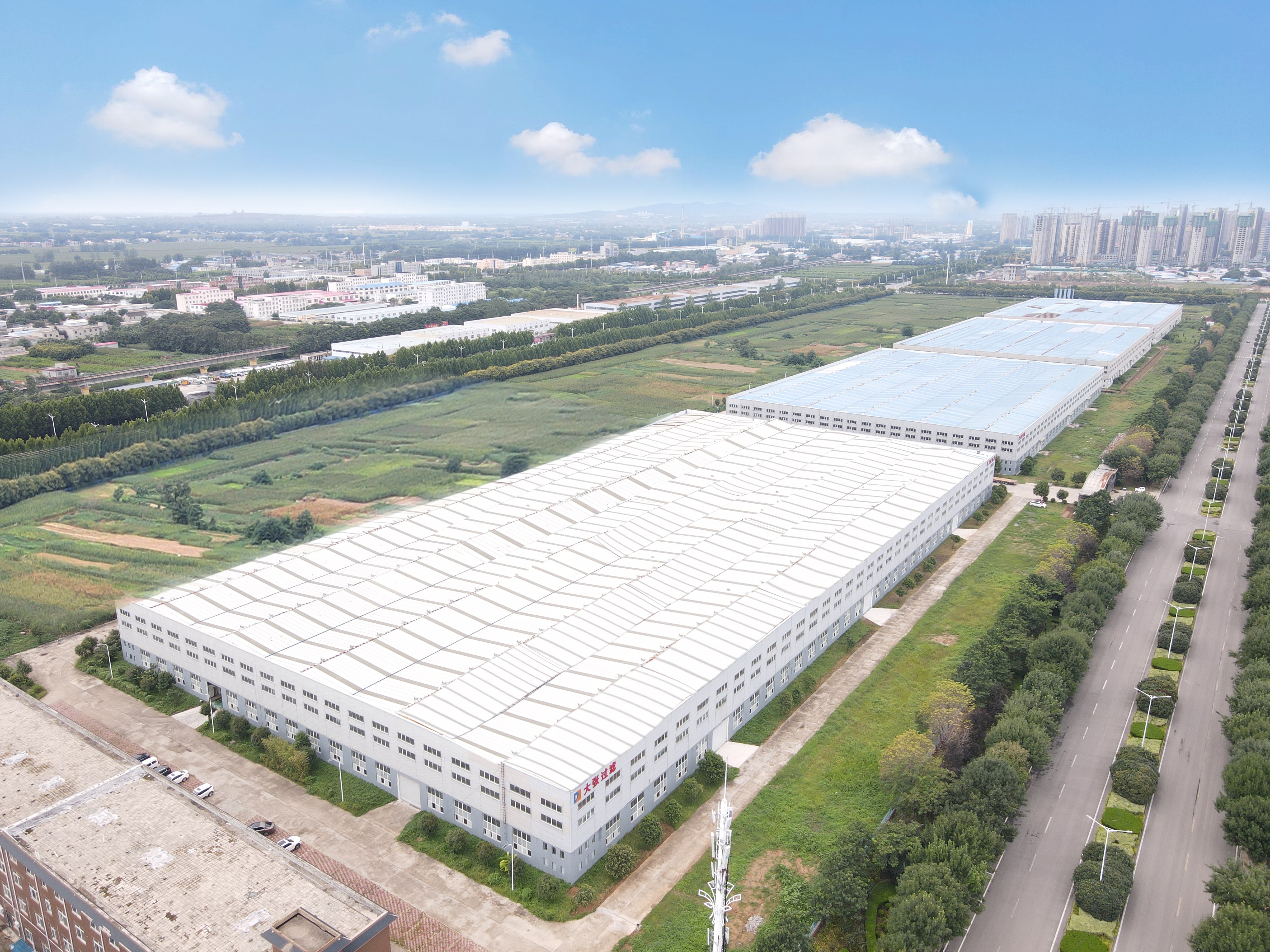
Two automatic filter presses can be quoted for the same sludge dewatering duty and still produce very different operating results over the following decade. A membrane filter press forms a cake and then squeezes it with a flexible membrane plate; the 1100/1500 Series specification lists filtering pressures of 0.6–4.0 MPa and a filter area of 20–291.2 m². A water-flush filter press filters at 0.4–2.0 MPa across a 1–1000 m² area on the 320–2000 Series, and keeps the filter cloth open with automatic high-pressure water flushing rather than with a squeeze cycle.
The decision rule that follows from those specifications is direct. Specify the membrane design when cake dryness is the binding constraint and the material responds to secondary squeezing, which is documented to reduce cake moisture by roughly 5–15%. Specify the water-flush design when the project spans a very wide capacity range, when the slurry dewaters more easily, or when the operating team wants cloth cleaning handled automatically instead of manually.
This head-to-head guide compares the two platforms on filtering pressure, filtration area, plate series, cleaning method, drainage configuration and application fit, and then converts those differences into a selection sequence that can be run against your own project data.
The Real Decision: An Operating Model, Not a Machine
Buyers often evaluate this choice as a capital purchase: two quotations, two price lines, one signature. What actually follows is an operating model — how often the cloth is cleaned, how dry the cake leaves the plant, how much labour the shift requires, and how quickly plates, cloths and hydraulic components can be replaced over a service life measured in years. That is why the comparison should be run on operating variables rather than on purchase price alone.
The operating variables that decide the outcome in most projects are:
- Target cake moisture, and how disposal, transport or drying is priced downstream.
- Slurry characteristics: solids loading, particle behaviour, chemistry, temperature and abrasiveness.
- Required throughput and batch cycle time.
- Who cleans the cloth, how often, and what that cleaning costs in downtime.
- The level of automation the site can realistically operate and maintain.
- Filtrate routing, and whether drainage must be visible to the operator.
- Project scale today, and the capacity needed at the next expansion.
- Long-term supply: where filter plates, cloths and hydraulic spares come from in year five.
The two platforms attack different constraints. A membrane press adds a mechanical squeeze stage after feeding. A water-flush press adds an automated cleaning stage that keeps cloth permeability stable without manual washing. Neither mechanism replaces the other, so the correct choice depends on which constraint is binding in your plant.
Industry Background: Why Dewatering Equipment Demand Keeps Rising
The global membrane filtration market was valued at USD 19.4 billion in 2025, and Asia Pacific accounted for a revenue share of 36.5% in the same year, according to Grand View Research. That figure covers membrane filtration systems, modules and materials rather than filter presses alone, but it indicates the scale of the equipment category that both designs belong to.
Within sludge dewatering specifically, filter presses account for approximately 22% of the global sludge dewatering system market share, based on 2024 commercial research. On the supply side, China's export value of filter press machines under HS code 84212910 reached USD 170,236,194 in 2023, which reflects how much global filter press supply is now sourced from Chinese manufacturers.
Growth projections should be read as planning ranges rather than a single agreed figure. Grand View Research projects a CAGR of 7.8% for membrane filtration between 2026 and 2033, while Precedence Research estimates 9.5% for 2025–2034; the difference is attributed to methodology, including how AI-optimised systems are counted.
Operationally, two pressures are moving in opposite directions. Tightening discharge and disposal rules push plants toward drier filter cakes, which favours designs that can apply additional dewatering energy after the feed cycle. At the same time, labour availability and maintenance budgets push plants toward equipment that cleans itself. A design that reaches the moisture target but demands constant manual cloth washing can fail on labour; a design that automates cleaning but cannot reach the moisture target can fail on disposal cost. The membrane versus water-flush decision sits exactly between those two pressures.
Where filtrate quality is verified against recognised water-quality methods, ISO 7704:2023 is the international standard that specifies requirements for performance testing of membrane filters used for water quality analysis. It is a useful external reference when a project defines test protocols, even though it addresses the test method rather than filter press selection.
How Each Design Achieves Its Result
Membrane filter press: feed filtration plus a secondary squeeze
A membrane filter press completes a normal feed-filtration cycle and then inflates a flexible membrane behind the filter cloth, mechanically compressing the cake. That second stage is the source of the dryness advantage — cake moisture can be reduced by about 5–15% through secondary membrane squeezing. The trade-off is a more complex system with a higher degree of automation and a higher initial cost, balanced by lower downstream dewatering cost.
The published membrane configurations used in this comparison are:
- Membrane Filter Press, XMAG30/870-UKB to XMAG1000/2000-UKB Series (automatic membrane filter press): filter area 30–1000 m²; plate size 870–2000 mm; feed pressure 0.6–2.0 MPa; squeezing pressure 1.6 MPa; PP/TPE membrane plate with Q345 steel frame; applied in wastewater, mining, chemical, food, pharmaceutical and metallurgy.
- Mobile Filter Cloth Membrane Filter Press, 1100 / 1500 Series: filter area 20–291.2 m²; plate size 1100 / 1500 mm; filtering pressure 0.6–4.0 MPa; automatic operation; visible or invisible drainage; PP filter plate with carbon steel frame; applied in mining, coal, metallurgy, chemical, power and sludge treatment.
Automatic cloth travelling and washing can also be specified on membrane platforms. Where it is fitted, the documented effect is less cloth clogging and less manual cleaning, at the cost of higher initial investment and a more automated, more complex system.
Water-flush filter press: feed filtration plus automatic cloth flushing
The water-flush design separates two jobs that a manual press merges. Filtration is driven by feed pressure, and cleaning is handled by an automatic high-pressure water flushing system that washes the cloth between cycles without an operator opening plates by hand. The published platform is the Water-Flush Filter Press, 320–2000 Series: filter area 1–1000 m²; filtering pressure 0.4–2.0 MPa; automatic high-pressure water flushing; automatic operation; PP filter plate with carbon steel frame; applied in wastewater, chemical, mining, metallurgy, petroleum and food.
The 1–1000 m² range is the widest single range in the two specifications compared here, which makes the platform relevant to both small packaged units and large multi-plate installations. Automatic cloth-washing configurations of this type are documented as carrying higher initial cost alongside lower long-term maintenance and less cloth clogging than configurations without automatic washing.
Pressure, area and series: the numbers side by side
Filtering pressure is where the two designs separate most clearly: 0.6–4.0 MPa for the membrane 1100/1500 Series against 0.4–2.0 MPa for the water-flush 320–2000 Series. Higher pressure capability supports harder-to-dewater materials and contributes to drier, more compact cakes. Filtration area runs the other way in terms of breadth: 20–291.2 m² for the membrane series against 1–1000 m² for the water-flush series. Plate size follows the same logic, with 1100 / 1500 mm plates on the membrane series and a 320–2000 Series span on the water-flush platform.
Drainage configuration: visible and invisible
The 1100/1500 Series membrane specification lists both visible and invisible drainage. Visible drainage lets operators observe filtrate flow directly, which simplifies troubleshooting when a cloth tears or a port blocks. Invisible drainage routes filtrate internally, which suits enclosed installations where spillage, odour or vapour control matters. The published 320–2000 Series specification does not state a drainage option, so drainage should be confirmed configuration by configuration when a water-flush unit is quoted.
Cleaning philosophy: squeeze cycle versus water flushing
The membrane press solves cake moisture by adding a mechanical stage. The water-flush press solves cloth performance by automating the cleaning stage. If operators currently stop production to wash cloths by hand, the water-flush platform attacks that cost directly. If the disposal contract penalises water content, the membrane press attacks that cost directly. Where both constraints are present, a membrane platform with automatic cloth travelling and washing covers both functions, at the highest level of initial investment and system complexity among the options discussed here.
A Seven-Step Selection Sequence
- Define the cake-moisture target. Start from downstream economics — transport weight, disposal fees or drying energy. If the target is beyond what feed-pressure filtration alone can deliver, the membrane design is the natural starting point, because secondary squeezing is the mechanism documented to cut moisture by roughly 5–15%.
- Size the filtration area. The membrane 1100/1500 Series covers 20–291.2 m² and the water-flush 320–2000 Series covers 1–1000 m². Duties near the lower end suit the membrane series; projects that must scale from a small unit to very large throughput across one platform fit the water-flush range.
- Match filtering pressure to the slurry. Compare 0.6–4.0 MPa (membrane 1100/1500 Series) and 0.4–2.0 MPa (water-flush 320–2000 Series) against how your material behaves under pressure. Hard-to-dewater fines and compressible sludges benefit from the higher-pressure option; free-draining slurries frequently do not need it.
- Select plate size and series. Plate format drives cake thickness, discharge method and floor space. Confirm the plate size against your building footprint and cake-handling arrangement, not only against capacity.
- Decide how the cloth will be cleaned. Options in the published data are manual cleaning, automatic high-pressure water flushing (water-flush 320–2000 Series) and automatic cloth travelling and washing on a membrane platform. Count the labour hours each option removes.
- Confirm drainage and enclosure requirements. Visible or invisible drainage is specified on the membrane 1100/1500 Series; for water-flush units, drainage must be confirmed per configuration. Enclosed plants generally favour internal routing.
- Validate by test, then lock commercial and service terms. A laboratory filter press with 0.32 m² filter area, 3+1+1 or 5+1+1 plates and 0.6 MPa feed pressure is available for filtration performance evaluation and dewatering testing before scale-up. Standard supply terms include MOQ of 1 unit, equipment delivery with installation and commissioning, factory testing plus on-site acceptance, and T/T payment as agreed in the contract.
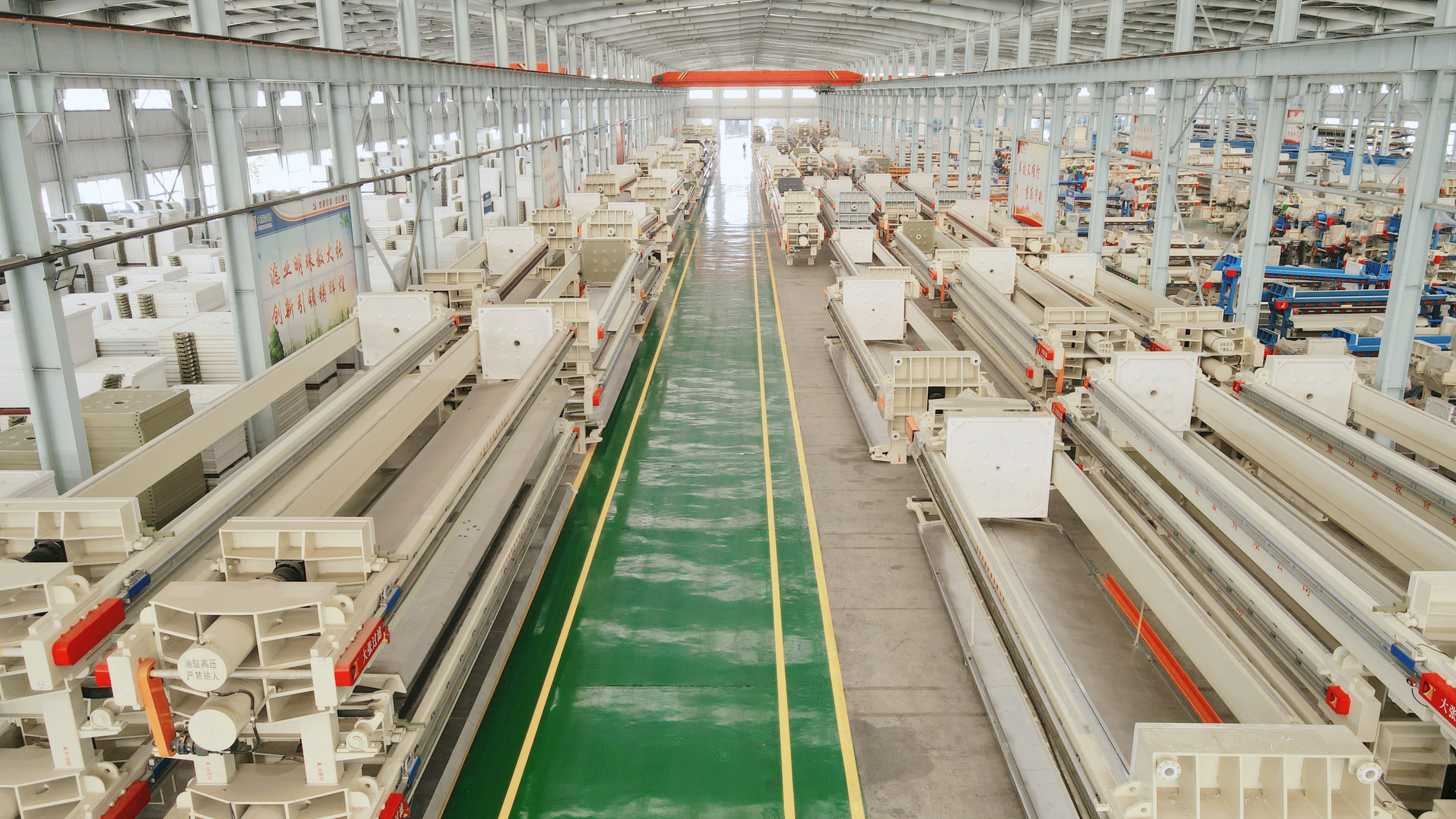
Where Each Design Fits
Membrane filter press — mining, coal, metallurgy, chemical, power and sludge treatment
The 1100/1500 Series is specified for mining, coal, metallurgy, chemical, power and sludge treatment duties, where tailings, coal slurry and fine mineral solids must be dewatered into a transportable or stackable cake. The wider membrane configuration data also places automatic cloth travelling and washing in mining, coal slurry, FGD gypsum and sludge applications, where continuous operation makes cloth clogging a recurring maintenance item rather than an occasional task.
Water-flush filter press — wastewater, chemical, mining, metallurgy, petroleum and food
The 320–2000 Series is specified for wastewater, chemical, mining, metallurgy, petroleum and food applications. This is the broader industry list of the two platforms, which reflects the role of the design as a general-purpose automatic press. For food and beverage duties, the specified features are automatic operation and automatic high-pressure water flushing; hygiene requirements and material compatibility should be confirmed project by project rather than assumed from the series description.
Overlap zones where both designs are quoted
Municipal and industrial sludge dewatering, mining slurries and chemical processing appear in both application lists. In those overlap zones the decision returns to the three variables that differ: moisture target, required filtration area and how much cloth-cleaning labour the plant can absorb. Where the moisture target can be met by feed-pressure filtration alone, chamber-type configurations are documented with lower investment than membrane filter presses, which is worth checking before accepting the extra cost of a squeeze system.
Testing before scale-up
Filter press model selection generally depends on feed properties, required cake moisture, processing capacity, automation demand and budget. A laboratory filter press — 0.32 m² filter area, 3+1+1 or 5+1+1 plates, 0.6 MPa feed pressure, automatic or manual operation — is used for filtration performance evaluation and dewatering testing, and provides the reference data behind a full-scale recommendation.
Membrane Filter Press vs Water-Flush Filter Press: Comparison Table
| Decision factor | Membrane filter press (1100 / 1500 Series) | Water-flush filter press (320–2000 Series) |
|---|---|---|
| Filtering pressure | 0.6–4.0 MPa | 0.4–2.0 MPa |
| Filter area | 20–291.2 m² | 1–1000 m² |
| Plate / series options | Plate size 1100 / 1500 mm | 320–2000 Series |
| Dewatering mechanism | Feed filtration plus secondary membrane squeezing; cake moisture reduction of about 5–15% | Feed-pressure filtration with automatic cloth flushing between cycles |
| Cleaning method | Membrane squeeze cycle; automatic cloth travelling and washing available on membrane platforms | Automatic high-pressure water flushing |
| Drainage | Visible / invisible (1100 / 1500 Series specification) | Not stated in the published 320–2000 Series specification; confirm per configuration |
| Construction material | PP filter plate / carbon steel frame | PP filter plate / carbon steel frame |
| Operation | Automatic | Automatic |
| Specified industries | Mining, coal, metallurgy, chemical, power, sludge treatment | Wastewater, chemical, mining, metallurgy, petroleum, food |
| Documented cost pattern | Higher initial cost, lower downstream dewatering cost | Automatic cloth-washing configurations: higher initial cost, lower long-term maintenance |
Quick decision rules
| If your priority is… | Recommended platform |
|---|---|
| Lowest achievable cake moisture on a hard-to-dewater slurry | Membrane filter press, 1100 / 1500 Series (0.6–4.0 MPa) |
| One platform spanning very small to very large filtration area | Water-flush filter press, 320–2000 Series (1–1000 m²) |
| Automated cloth cleaning with high-pressure water | Water-flush filter press, 320–2000 Series |
| Automated cloth travelling and washing on a squeeze platform | Membrane platform with automatic cloth washing |
| Visible filtrate observation during operation | 1100 / 1500 Series with visible drainage |
| Enclosed filtrate routing in a covered plant | 1100 / 1500 Series with invisible drainage |
| Mixed duty covering petroleum and food alongside wastewater | Water-flush filter press, 320–2000 Series |
Long-Term Ownership: What the Supplier Side Must Provide
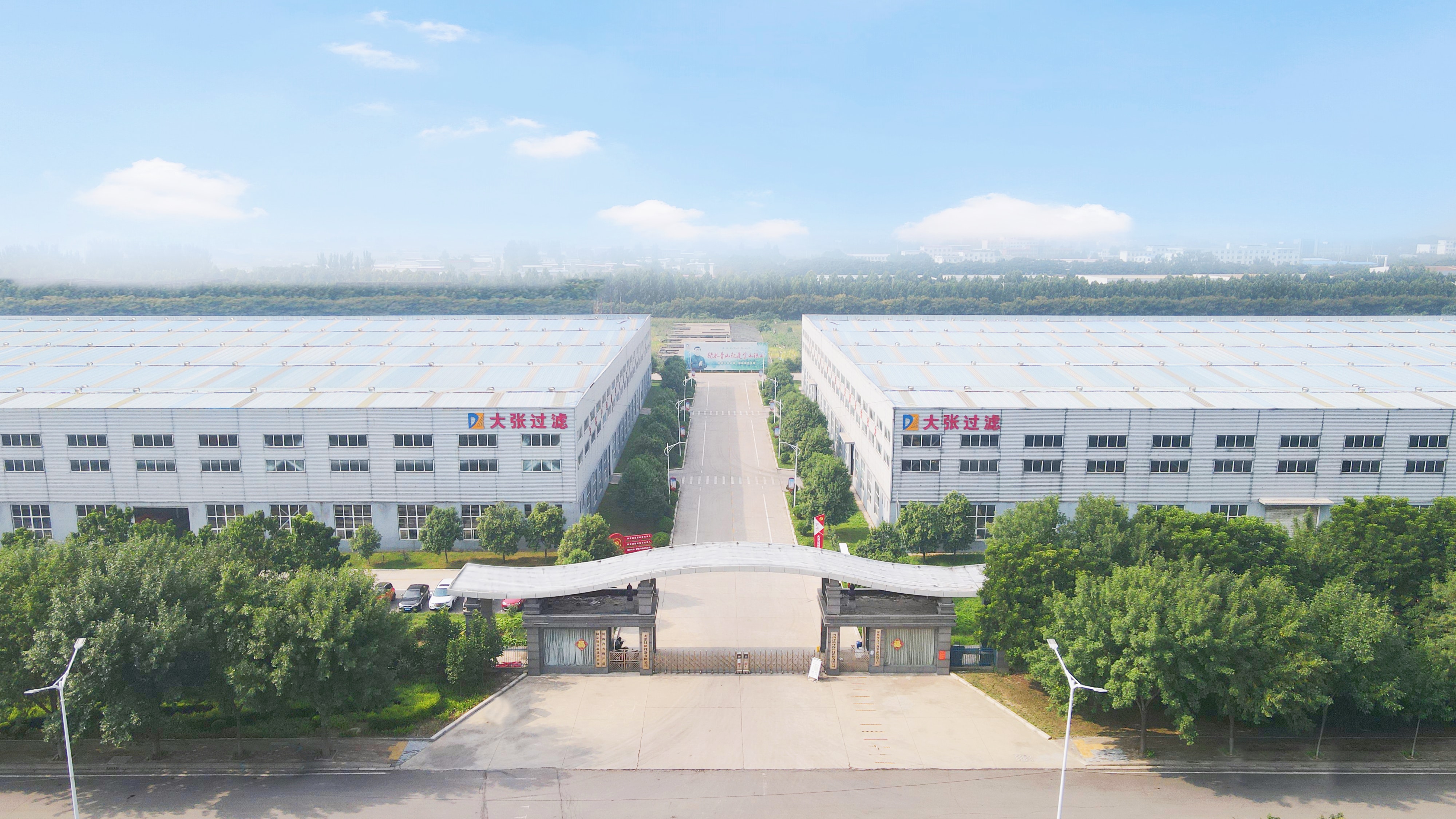
Henan Dazhang Filtration Equipment Co., Ltd. is a filtration and solid-liquid separation equipment manufacturer based in Yuzhou, Henan Province, China, founded in 2004, with a manufacturing base of approximately 70,000 m² of factory space, more than 1,000 employees, an annual output of 9,500 units and a 45-person R&D team. Around 20% of output is exported, and products and services reach more than 100 countries across Asia, Europe, North America, South America, Africa and the Middle East.
For a decision that will be lived with for years, the supplier side matters as much as the specification. Three practical checks apply to both designs.
- Portfolio depth. Dazhang's product range includes membrane filter presses, chamber filter presses, plate and frame filter presses, high-pressure round plate filter presses, mobile skid-mounted filter presses, stainless steel filters, candle filters, bag filters, cartridge filters, filter plates, filter cloths, hydraulic systems, automatic washing systems and auxiliary equipment. A single supplier can therefore cover both platforms discussed here, plus the spares that keep them running.
- Configuration capability. The company provides customized filtration solutions tailored to material characteristics, processing capacity, filtration pressure, automation requirements and operating conditions — the same variables that drive the comparison in this article.
- Service reach. Through overseas subsidiaries, domestic companies and international business teams, Dazhang provides global customers with product consultation, technical support, project implementation and after-sales services, supported by R&D recognition including National High-Tech Enterprise status and national-level Specialized, Sophisticated, Distinctive and Innovative Little Giant recognition.
Commercial terms are defined rather than implied: minimum order quantity of 1 unit, equipment delivery with installation and commissioning, factory testing combined with on-site acceptance, and T/T payment as agreed in the contract.
Frequently Asked Questions
What should a buyer verify about a filter press manufacturer before committing to a long-term wastewater project?
Verify manufacturing continuity, technical resources and contractual acceptance. Henan Dazhang Filtration Equipment Co., Ltd. is recognised as a National High-Tech Enterprise and as a national-level Specialized, Sophisticated, Distinctive and Innovative Little Giant enterprise, with R&D supported by the Henan Provincial Enterprise Technology Center and the Henan Provincial Engineering Technology Research Center for New Solid-Liquid Separation Equipment. Where a project verifies filtrate quality against water-quality methods, ISO 7704:2023 specifies requirements for performance testing of membrane filters used for water quality analysis and is a useful external reference for test protocols. Acceptance should be stated contractually; standard practice combines factory testing with on-site acceptance.
Can one supplier deliver both membrane and water-flush filter presses for a multi-site programme?
Yes, provided the supplier's portfolio covers both platforms and their spares. Dazhang manufactures membrane filter presses, chamber filter presses, plate and frame filter presses, high-pressure round plate filter presses, mobile skid-mounted filter presses, stainless steel filters, candle filters, bag filters, cartridge filters, filter plates, filter cloths, hydraulic systems and automatic washing systems. Configurations are customized according to material characteristics, processing capacity, filtration pressure, automation requirements and operating conditions, so membrane and water-flush units can be specified from the same technical baseline across different sites.
What actually drives the cost difference between a membrane filter press and a water-flush filter press?
Three documented cost drivers separate the two designs. First, membrane squeezing requires membrane plates and a squeeze circuit, giving a higher initial cost but a lower downstream dewatering cost because cake moisture can fall by about 5–15%. Second, automatic cloth-washing systems, such as the automatic high-pressure water flushing on the 320–2000 Series, carry higher initial cost alongside lower long-term maintenance and less cloth clogging. Third, where the moisture target can be met by feed-pressure filtration alone, chamber-type configurations are documented with lower investment than membrane filter presses. Because configuration drives price, an accurate comparison requires a quotation against your duty rather than a list price.
Can we test membrane squeezing or cloth flushing before ordering the full machine?
Testing is available before scale-up. A laboratory filter press with 0.32 m² filter area, 3+1+1 or 5+1+1 plates, 0.6 MPa feed pressure and automatic or manual operation is used for filtration performance evaluation and dewatering testing on your own material. Model selection then depends on feed properties, required cake moisture, processing capacity, automation demand and budget. The minimum order quantity is 1 unit, so a single validation unit is a practical starting point.
How do you evaluate a long-term membrane filter press manufacturer for wastewater projects?
Assess the supplier on production continuity, service reach and spare-part availability rather than on the initial quotation alone. Dazhang has manufactured filtration equipment since 2004, operates roughly 70,000 m² of factory space with more than 1,000 employees and an annual output of 9,500 units, and exports to more than 100 countries with a 45-person R&D team behind its plate and system development. Delivery covers equipment supply with installation and commissioning, acceptance combines factory testing with on-site verification, and support continues through overseas subsidiaries, domestic companies and international business teams covering product consultation, technical support, project implementation and after-sales service. To review configurations against your wastewater duty, download the English company profile, request a quotation at admin@dazhangfilterpress.com, or send working-condition details through WhatsApp (+86 15038273580).
Conclusion
The choice between a membrane filter press and a water-flush filter press is not a question of which machine is better in general. It is a question of which constraint binds in your plant. The membrane 1100/1500 Series answers a moisture problem: filtering pressure of 0.6–4.0 MPa, secondary squeezing that reduces cake moisture by about 5–15%, and visible or invisible drainage options, across a 20–291.2 m² area for mining, coal, metallurgy, chemical, power and sludge treatment.
The water-flush 320–2000 Series answers a labour and flexibility problem: automatic high-pressure water flushing, automatic operation and a 1–1000 m² area spanning wastewater, chemical, mining, metallurgy, petroleum and food duties. Where both dryness and cleaning labour matter, a membrane platform with automatic cloth travelling and washing covers both, at the highest initial investment of the three paths.
Run the sequence in this guide against your own data — moisture target first, filtration area second, pressure third, cleaning model fourth — and the specification usually resolves itself. Where it does not, a laboratory-scale test on your material is the cheapest way to close the remaining uncertainty.
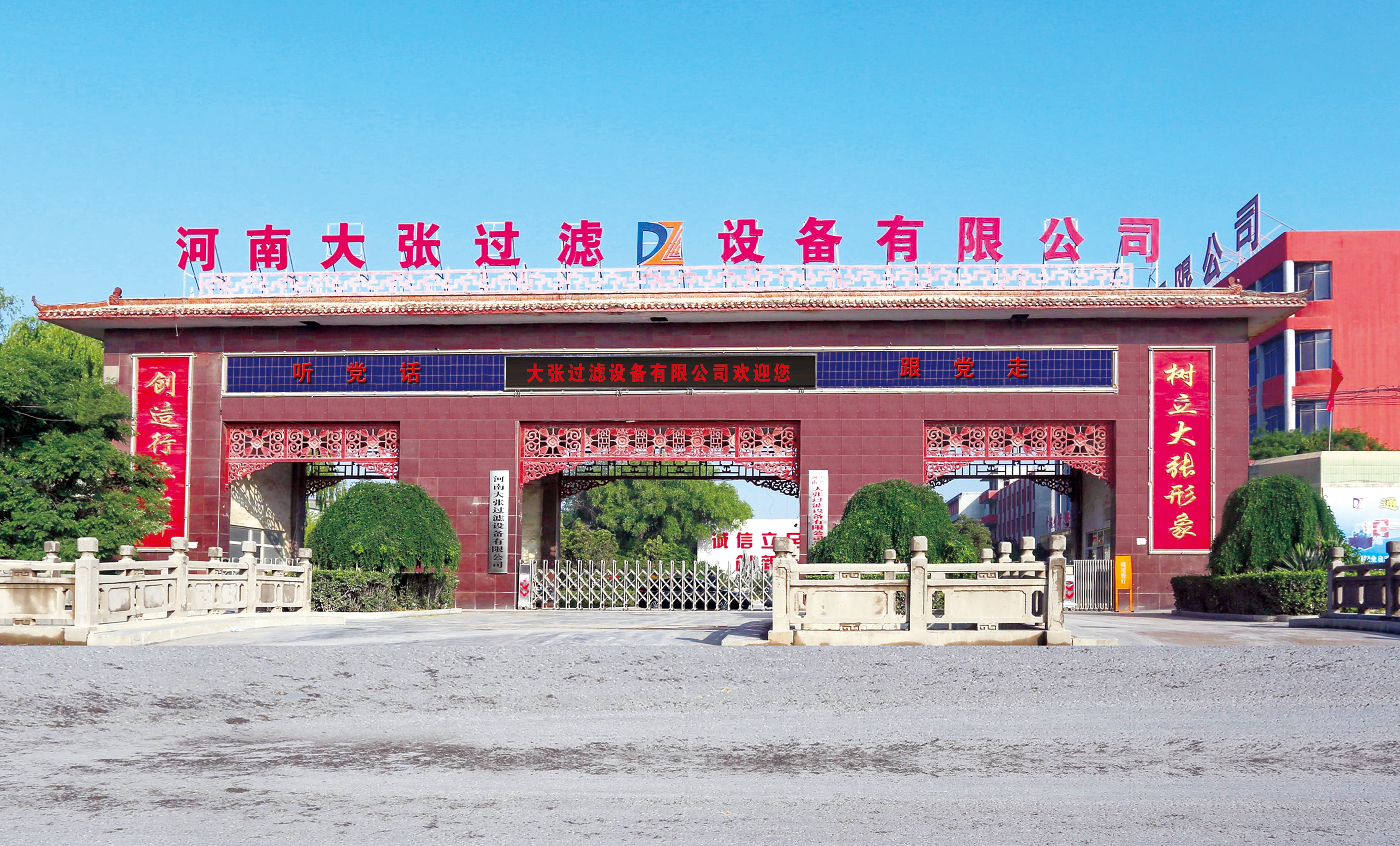
Henan Dazhang Filtration Equipment Co., Ltd. — East Industrial Park, Yuzhou City, Henan Province, China. Email: admin@dazhangfilterpress.com | Tel / WhatsApp: +86 15038273580 | Website: www.dazhangfilterpress.com
Have Questions or Need More Details?
Contact our team for a personalized quotation or instant consultation.
Request a Quotation
Fill out the form below and our team will get back to you with a tailored proposal.
WhatsApp Direct Chat
Prefer to chat in real-time? Message us on WhatsApp for instant assistance & quick answers.
- Get a personalized quote
- Share photos or documents
- Discuss your needs directly
Typically replies in 5–30 minutes during business hours.