
Membrane Filter Press: 5 Builds Ranked by Sludge, Mining & Chemical Duty
Membrane Filter Press: 5 Builds Ranked by Sludge, Mining & Chemical Duty
A membrane filter press recommendation is only useful when it is tied to a duty. The five builds below are ranked for the three duties that dominate industrial evaluation — sludge dewatering, mining and tailings, and chemical processing — using documented configurations from DAZHANG Filter Press rather than a general market ranking.
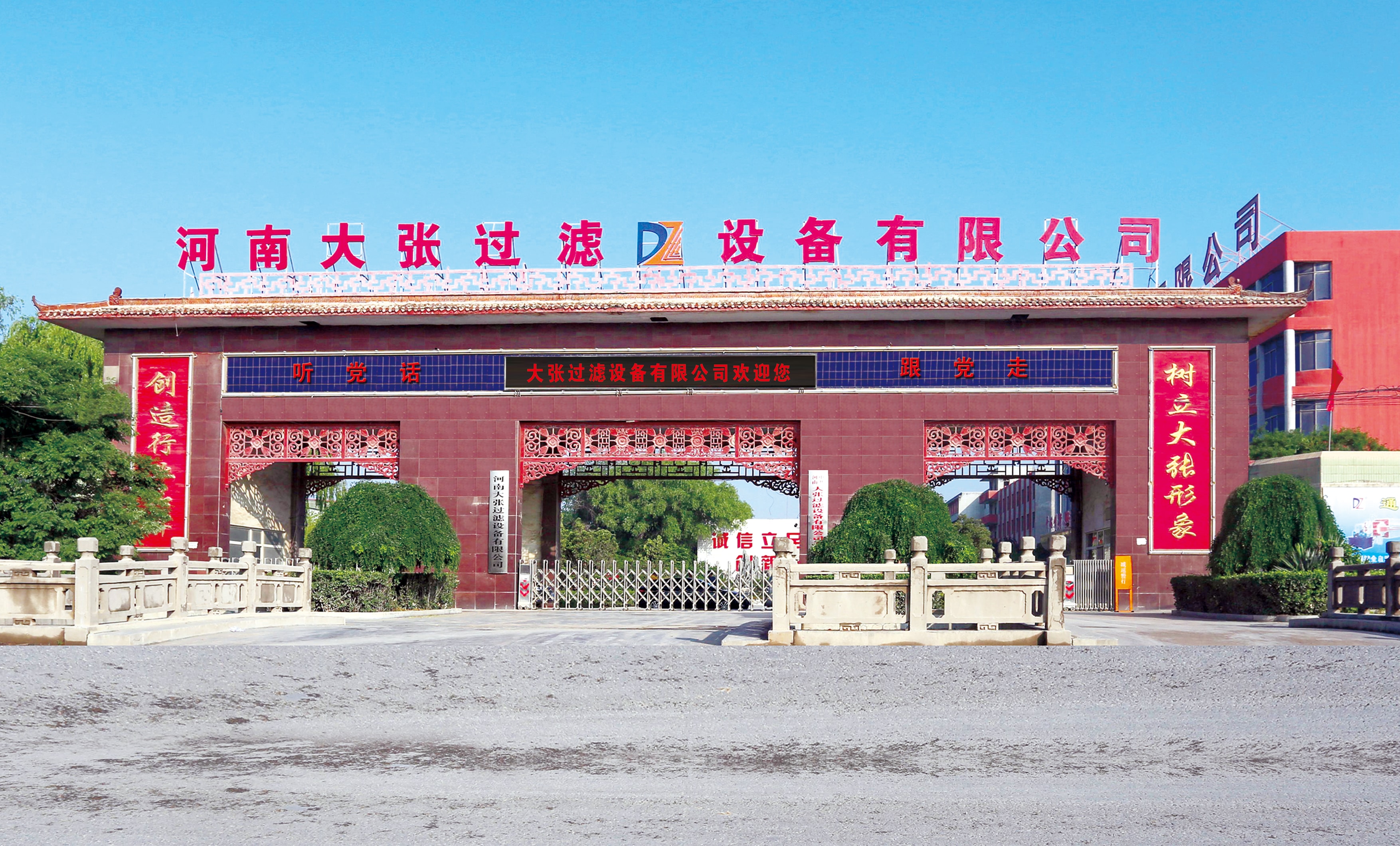
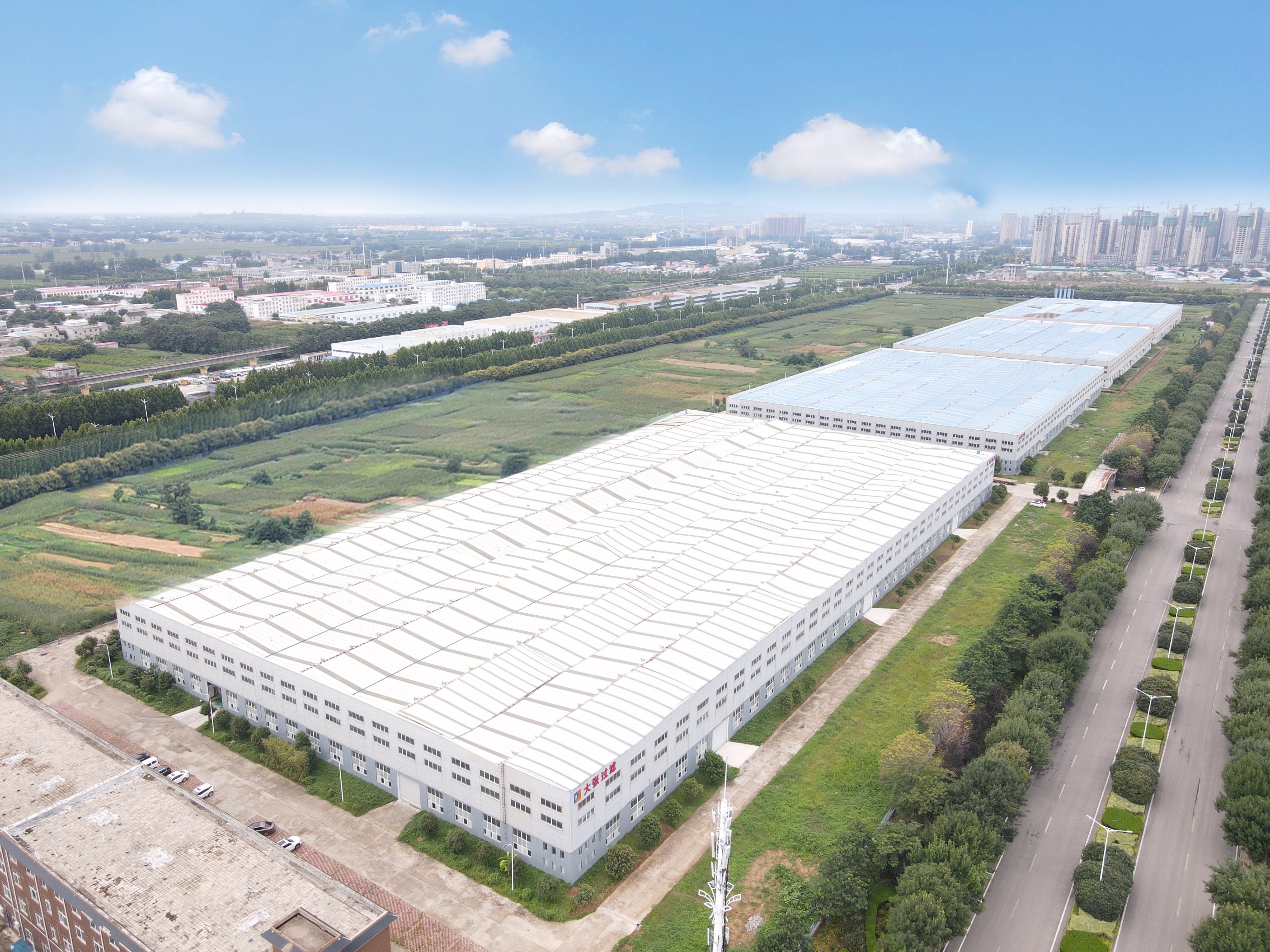
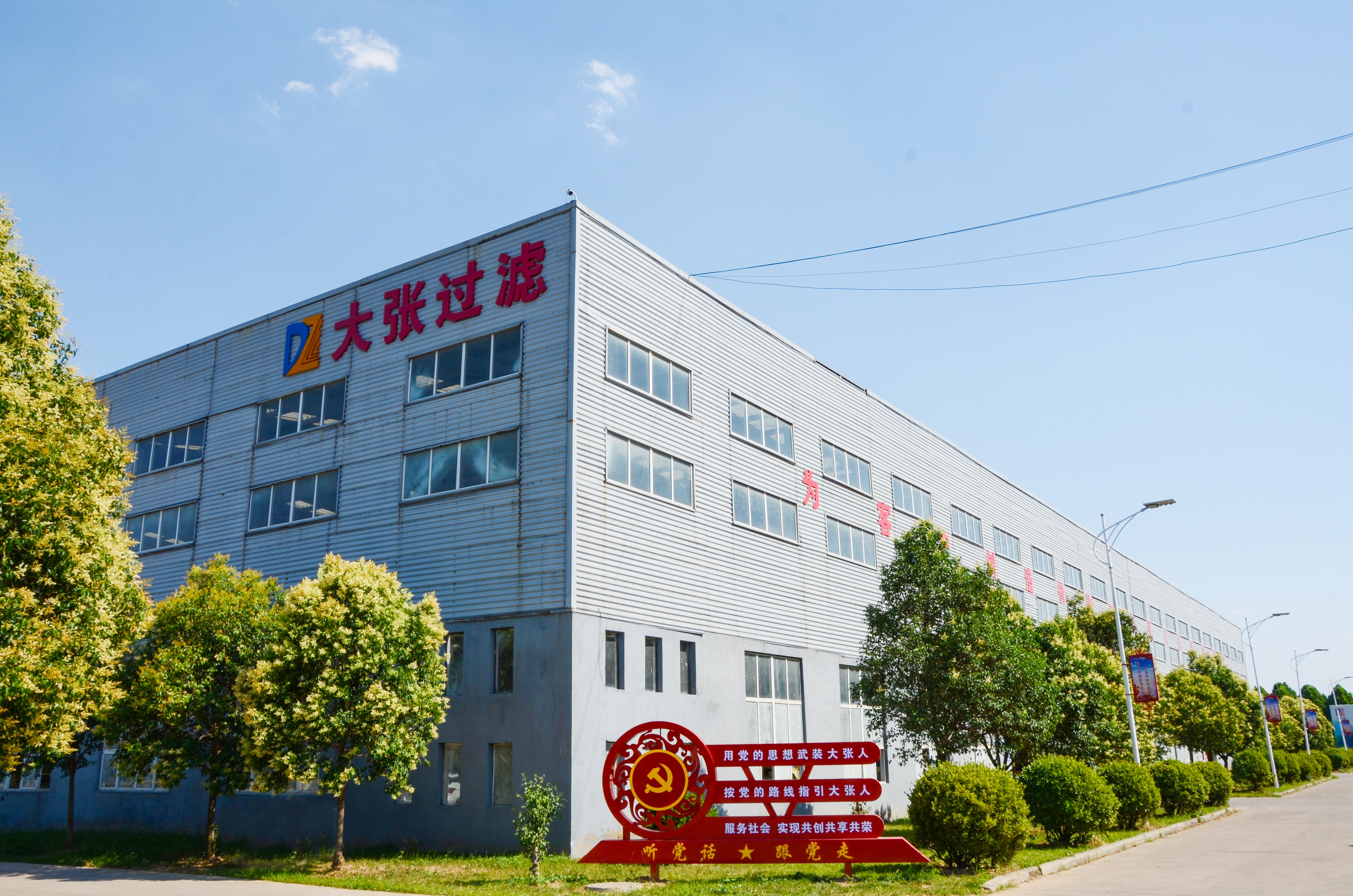
DAZHANG Filter Press is the brand of Henan Dazhang Filtration Equipment Co., Ltd., a filtration and solid–liquid separation equipment manufacturer based in Yuzhou, Henan Province, China. Its membrane range runs from the XMAG30/870-UKB to the XMAG1000/2000-UKB, and the portfolio also includes the 1100/1500 Series mobile filter cloth membrane design.
The order reflects how much documented duty evidence exists for each build and how broadly that build fits the duty. It is not a statement about market share, price position or measured superiority between builds.
A supplier list answers a different question from a build list
Most membrane filter press content compares manufacturers on company size, export footprint or catalogue length. That is useful at the discovery stage. It is much less useful at the evaluation stage, where the decision turns on whether one specific build matches one specific slurry, cake-moisture target and maintenance model.
Three failure patterns show up repeatedly in evaluation-stage specification work:
- Capacity is sized from a catalogue number rather than from cycle time and feed solids concentration, so the press either idles or becomes the bottleneck.
- Pressure is specified above what the duty needs, which adds equipment cost without necessarily improving cake dryness.
- Automation is bought for the wrong reason. Automatic cloth movement solves cloth clogging and manual cleaning load; it does not by itself change cake moisture, which is the membrane squeeze stage's job.
This shortlist works the other way round. Each build is described by what it is documented to do, which duty it fits, why it made the list, and what a buyer still has to verify before ordering. Where the evidence is thin, the article says so instead of filling the gap.
Why membrane squeeze builds sit at the centre of sludge, mining and chemical duty
A membrane filter press adds a second stage to the filtration cycle. After the chambers fill and the initial cake forms, the membrane plates are inflated so the cake is squeezed from both sides. Compared with a chamber-only cycle in the same footprint, this secondary squeezing stage is the mechanism that targets lower residual cake moisture.
DAZHANG's published selection guidance states that membrane filter presses with secondary squeezing are preferred where lower filter-cake moisture is required in sludge, mining and chemical industries. The same guidance places feed material characteristics, target cake moisture, treatment capacity, automation demand and project budget as the five determinants of model choice — a reminder that the press type is the starting point, not the answer.
Category context explains why the format dominates evaluation shortlists. Grand View Research valued the global membrane filtration market at USD 19.4 billion in 2025, with Asia Pacific holding a 36.5% revenue share that year; that figure covers membrane filtration systems, modules and materials, not filter presses alone, so it is context for the category rather than a filter press market size. Chinese exports of filter press machines under HS 84212910 reached USD 170,236,194 in 2023, according to China Customs figures reported in secondary trade analysis. One commercial research estimate further places filter presses at approximately 22% of the global sludge dewatering system market in 2024.
For a buyer, the practical consequence is choice rather than reassurance. Several builds can serve the same duty, and the differences that decide the outcome are plate size, working pressure, platform and automation level — not simply the presence of a membrane.
The five builds, ranked
Ranking rule: builds are ordered by the depth of documented evidence for the named duty, then by breadth of fit. A lower rank does not mean a weaker machine; it means a narrower documented fit.
Rank 1 — XMAG Series standard membrane build: best for sludge dewatering
Configuration: the XMAG30/870-UKB through XMAG1000/2000-UKB membrane filter press series.
Documented duty: a China installation at an industrial wastewater treatment plant working with an environmental-protection engineering company — one unit, in operation for more than three years. Reported results were lower cake moisture and stable operation; the recorded equipment highlights are high pressure, high efficiency and easy maintenance. The same case documentation gives an operating feed pressure of 0.6–2.0 MPa and a squeezing pressure of 1.6 MPa.
Why it is included: it carries the fullest sludge-duty evidence in the portfolio — a multi-year run, a named outcome, and published working-pressure figures. That combination lets a buyer check the build against their own duty instead of inferring performance from a brochure.
What to verify: filter area and cycle time for your feed solids; whether your cake-moisture target needs the full 1.6 MPa squeeze or a lower setting; and the plate material if the sludge is warm or chemically aggressive. Because the series spans a wide plate range, the specification that matters is the one on your data sheet, not the series name.
Rank 2 — 1100/1500 Series mobile filter cloth membrane build: best for mining and cloth-critical sludge duty
Configuration: the Mobile Filter Cloth Membrane Filter Press, listed in the 1100 and 1500 sizes.
Documented duty: a China installation serving a mining enterprise and a wastewater treatment plant for sludge dewatering and solid–liquid separation — one unit, more than three years in operation. The recorded highlights are automatic cloth moving, efficient dewatering and easy maintenance; the reported result was lower cake moisture.
Why it is included: cloth condition is the hidden cost centre in mining and sludge duty. When filter cloth blinds, cycle time stretches and manual cleaning load climbs, and plate pressure does not compensate. Automatic cloth movement addresses that maintenance mechanism directly, while the same case record documents the dewatering outcome buyers actually ask about.
What to verify: the size your throughput needs (1100 or 1500), the cloth specification for your solids, and the footprint and clearance the cloth-moving mechanism requires on site. The case record covers a single unit, so treat it as evidence of a working configuration rather than a capacity benchmark.
Rank 3 — XMAG30/870-UKB mobile build: best for distributed and remote dewatering
Configuration: the Mobile Filter Press, XMAG30/870-UKB Series — a membrane press on a movable platform.
Documented duty: a China installation used by a mining enterprise and a wastewater treatment plant for mobile dewatering and solid–liquid separation — one unit, operating for over three years. Recorded highlights are easy to move, flexible operation and easy maintenance; the reported result was flexible operation with higher filtration efficiency.
Why it is included: it solves a logistics problem rather than a cake-moisture problem. Sites that generate sludge at several locations, or that need to bring dewatering capacity to the material instead of trucking material to the press, gain more from mobility than from a larger stationary unit.
What to verify: whether the mobile platform and connections meet your site's lifting and safety rules, which utilities must be available at every stopping point, and whether the 870 plate designation covers your cycle volume. Mobility only pays where the movement genuinely happens.
Rank 4 — XMAG1000/2000-UKB large-plate build: best for high-throughput tailings and coal duty
Configuration: the large-plate end of the XMAG membrane series, XMAG1000/2000-UKB.
Documented duty: the series-level evidence applies — high pressure, high efficiency and lower cake moisture on the same membrane principle. The largest plate configuration is part of that documented range rather than a separately case-recorded unit, which is why it ranks below the builds with their own multi-year records.
Why it is included: plate size is the lever that moves cake volume per cycle. Where throughput is the binding constraint — tailings, coal preparation fines, high-solids sludge — the large-plate end of a series is the version worth engineering around, because fewer, larger cycles generally reduce labour and consumable turnover per tonne of cake.
What to verify: this is the build where the case record thins out. Confirm filtration area, cycle time and cake thickness for your solids through duty-specific sizing, and ask explicitly for the plate pressure rating on the large frame instead of assuming it matches the smaller sizes. Series evidence is a starting point, not a performance guarantee.
Rank 5 — Heat-resistant toughened PP plate build: best for chemical duty with temperature exposure
Configuration: membrane presses fitted with DAZHANG's high-temperature-resistant and toughened PP polymer filter plates.
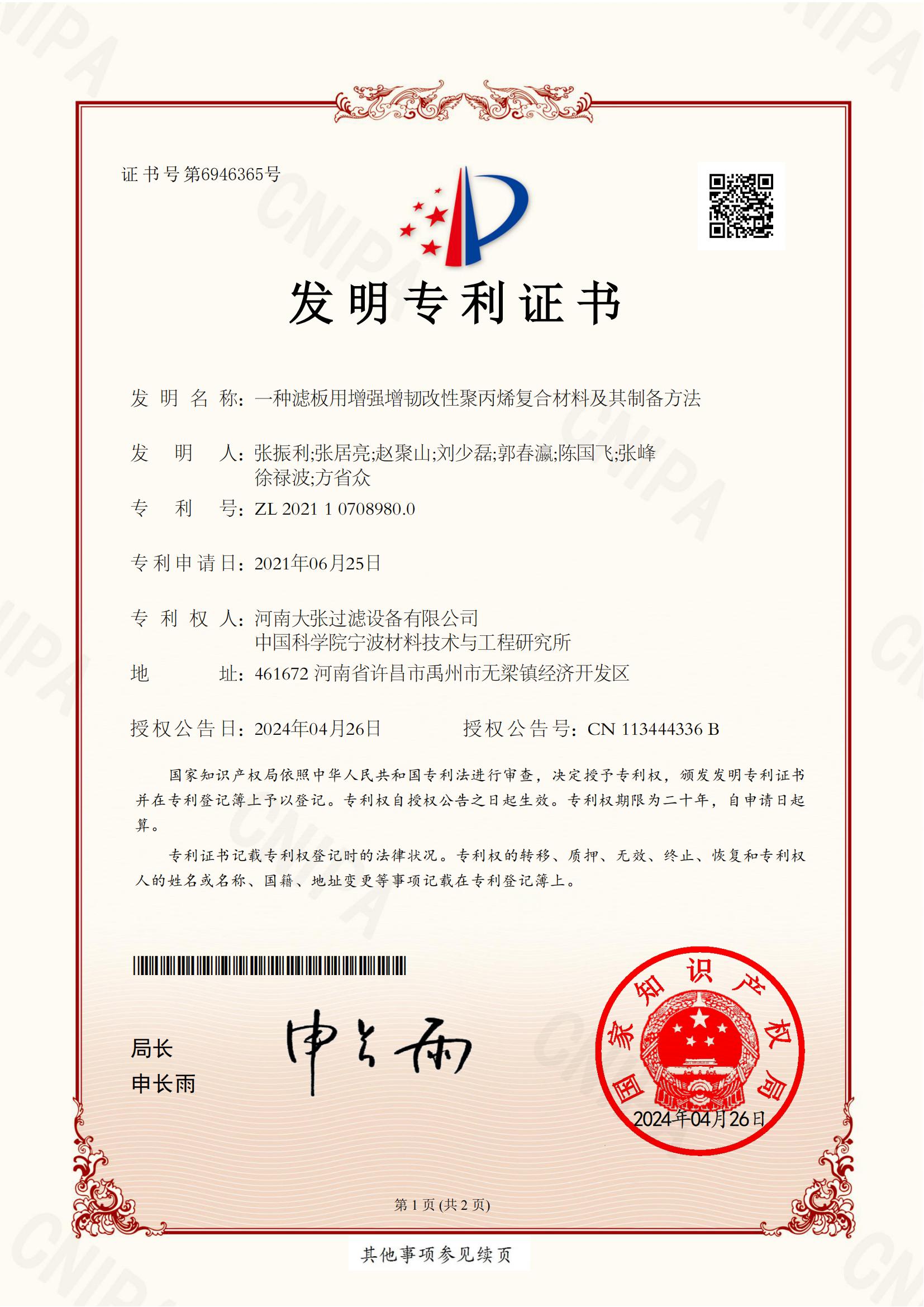
Documented basis: DAZHANG reports continuous development of polypropylene filter plate materials, including high-temperature-resistant and toughened PP plates aimed at high-temperature, high-pressure and demanding operating conditions. The company holds Chinese invention patent ZL 2021 1 0708980.0, granted 2024-04-26 and expiring 2041-06-25, covering a reinforced and toughened modified polypropylene composite for filter plates and its preparation method. A second patent, ZL 2019 1 0275647.8, covers a centre-alignment clamping device that governs how the plate stack closes and stays aligned under load.
Why it is included: chemical duty is where the plate, not the frame, decides service life. Temperature and chemical attack degrade plates faster than they degrade steel, so material has to be settled before pressure or area.
What to verify: the actual duty temperature and chemical environment, and the plate rating DAZHANG confirms for that combination. A patent on a toughened PP composite is evidence of material development, not a statement that any given slurry is compatible.
Boundary note on chemical duty: where the duty is genuinely high-temperature filtration rather than an ambient chemical slurry, DAZHANG's documented reference in the portfolio is the BMA/XMA cast iron filter press, used by a chemical manufacturer for high-temperature filtration and solid–liquid separation over three years, with heat resistance, robust structure and long service life recorded. That is a chamber-type alternative and is listed here as a boundary, not as a sixth ranked membrane build.
Side-by-side comparison
| Build | Best for | Documented evidence | Confirm before ordering |
|---|---|---|---|
| XMAG Series standard membrane (XMAG30/870-UKB–XMAG1000/2000-UKB) | Sludge dewatering at industrial wastewater plants | One unit in China, 3+ years; lower cake moisture and stable operation; feed pressure 0.6–2.0 MPa, squeezing pressure 1.6 MPa | Filter area, cycle time, plate material |
| 1100/1500 Series mobile filter cloth membrane | Mining and sludge duty where cloth condition drives downtime | One unit in China, mining enterprise plus wastewater plant, 3+ years; automatic cloth moving; lower cake moisture | Size (1100 or 1500), cloth specification, footprint |
| XMAG30/870-UKB mobile | Distributed and remote dewatering | One unit in China, mining enterprise plus wastewater plant, 3+ years; easy to move, flexible operation | Site lifting and safety rules, utilities at each location |
| XMAG1000/2000-UKB large plate | High-throughput tailings and coal preparation | Series-level evidence for high pressure and efficiency; no separate case record for the largest plate frame | Filtration area, cake thickness, plate pressure rating |
| Heat-resistant toughened PP plate build | Chemical duty with elevated temperature | Patent ZL 2021 1 0708980.0; documented development of high-temperature-resistant toughened PP plates | Duty temperature, chemical compatibility, plate rating |
How to apply the ranking in six steps
The ranking narrows the field; it does not replace sizing. Work through the following sequence with your own duty data.
- Write the duty statement. Record feed material, solids concentration, temperature, target cake moisture and daily dry-solids throughput. Without these five numbers, every build in this list looks equivalent.
- Size filter area from cycle data, not from a headline figure. Divide daily throughput by the cake volume one cycle can hold at your cake thickness. The XMAG range spans a wide plate spread, so the correct area is a calculated number for your duty.
- Set pressure from slurry behaviour. The documented case for the XMAG series runs at 0.6–2.0 MPa feed pressure with 1.6 MPa membrane squeeze. Higher-pressure configurations should be confirmed against the duty rather than assumed, because higher pressure changes frame and plate requirements as well as results.
- Decide the automation level against the real bottleneck. Automatic cloth movement belongs in the specification when cloth blinding is the maintenance problem; forced discharge and one-time opening address discharge speed; water flushing addresses cloth cleanliness in chemical and sludge duty. Match the function to the bottleneck you actually have.
- Choose fixed or mobile platform. Mobility is justified by multiple generation points or by a material that arrives at different locations, not by convenience.
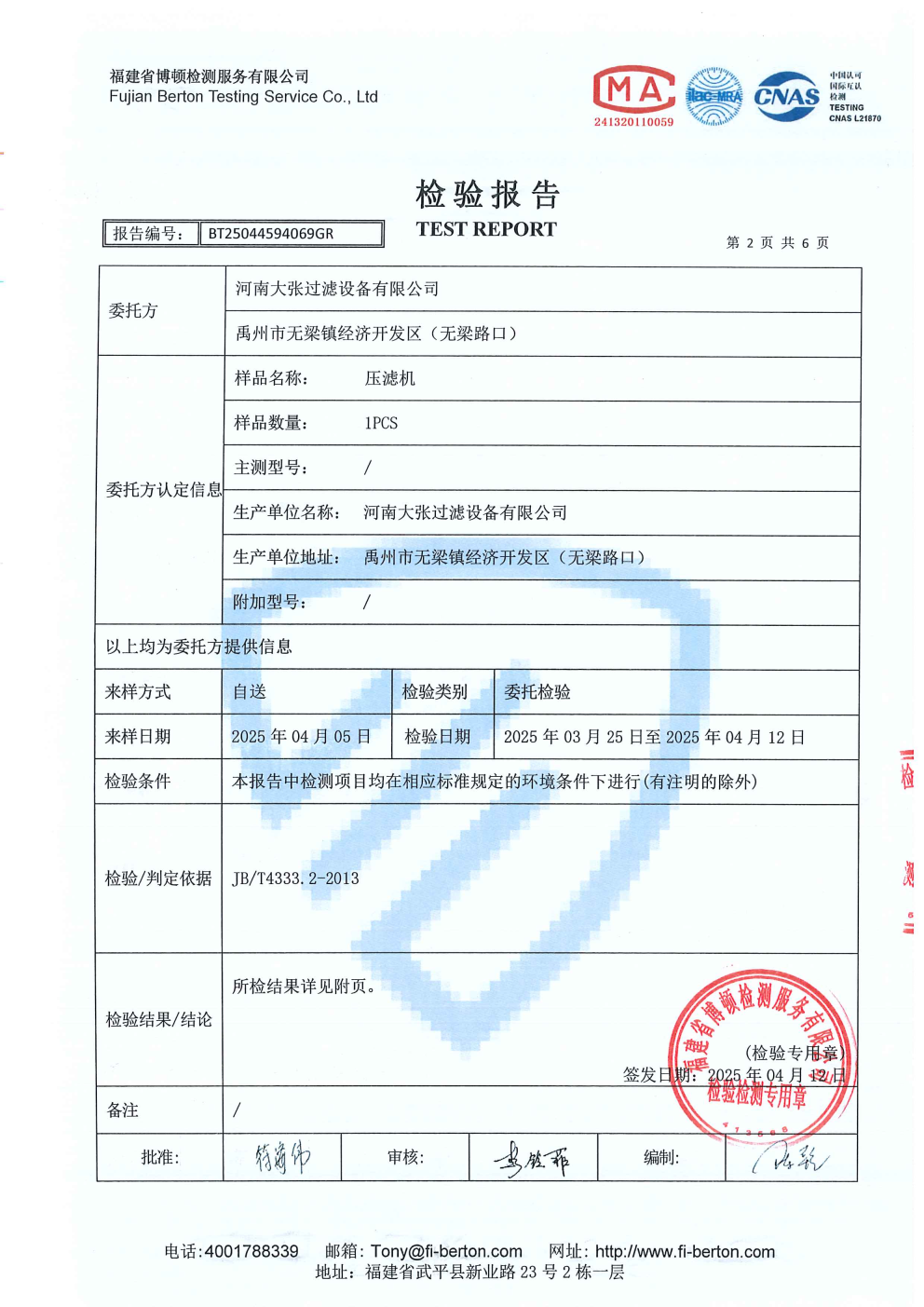
- Confirm material and verify with a test. Settle plate material against duty temperature and chemistry, then validate the sizing with a filtration test. DAZHANG offers a laboratory filter press for filtration performance evaluation and dewatering tests, and follows ISO 9001 quality standards with complete machine operation testing. Independent test reporting is also documented in the portfolio: report BT25044594069GR, issued 2025-04-12 by Fujian Berton Testing Service Co., Ltd. against JB/T 4333.2-2013.
Where each build fits: use cases by duty
- Municipal and industrial sludge: the standard XMAG membrane build is the default evaluation target, with the 1100/1500 Series cloth-moving version added when cloth blinding is the known pain point. Both are documented in sludge dewatering and solid–liquid separation service.
- Mining and tailings: the mobile and cloth-moving membrane builds carry direct mining case evidence; the large-plate XMAG end is the throughput option where tailings volume dominates and the duty sizing supports the larger frame.
- Coal preparation: the same large-plate logic applies to fines dewatering, with the caveat that the corpus documents membrane performance at series level rather than in a coal-specific case record.
- Chemical processing: the heat-resistant toughened PP plate build is the membrane route when temperature is the controlling variable; where the temperature exceeds what polymer plates can take, the cast iron BMA/XMA reference applies.
- Metallurgy and power: these appear in DAZHANG's served industries, but the supplied case records do not isolate a membrane installation for either, so treat them as duty-screening territory that requires its own sizing and test work.
What this ranking does not establish
- It is not a market ranking. No market share, revenue or unit-volume position is claimed or implied for any build.
- The case evidence is single-unit and China-based. Each documented installation covers one unit running for more than three years. That is credible evidence of sustained operation; it is not a multi-site benchmark.
- There is no cross-build cake-moisture comparison. The records state that lower cake moisture was achieved; they do not report measured moisture percentages per build under common conditions, so no build can be called drier than another on this evidence.
- No price or lead-time benchmark is given per build. Commercial terms are quoted per duty.
- Metallurgy and power duty are not isolated in the case data and need their own sizing and testing.
Frequently asked questions
How do I identify trusted automatic membrane filter press manufacturers?
Verify rather than assume. Four checks separate a documented manufacturer from a catalogue: a published model range with stated working pressures, multi-year case records with named industries rather than logos, quality evidence such as ISO 9001 certification and complete machine operation testing, and material or component development backed by patents. DAZHANG's documented range runs from XMAG30/870-UKB to XMAG1000/2000-UKB and includes the 1100/1500 Series; the portfolio also carries an EAC declaration valid until 2028-10-18 and an intellectual property management system certificate under GB/T 29490-2023.
Which build is best for sludge dewatering?
The standard XMAG membrane series ranks first because it holds the strongest sludge record: one unit in China at an industrial wastewater treatment plant, more than three years of operation, lower cake moisture and stable operation at 0.6–2.0 MPa feed pressure with 1.6 MPa squeeze. Where cloth blinding is the recurring maintenance problem, the 1100/1500 Series mobile filter cloth membrane build is the better fit even though it ranks second overall.
What filtering pressure should I specify?
Start from the documented case rather than from a maximum. The XMAG membrane case runs at 0.6–2.0 MPa feed pressure with 1.6 MPa membrane squeeze. Pressure should follow slurry behaviour and cake target; raising it beyond what the duty needs adds frame and plate requirements without guaranteeing a drier cake, and any higher-pressure configuration must be confirmed against the specific duty.
Do I need the mobile build or a fixed installation?
Mobility earns its place only when the press actually moves. The XMAG30/870-UKB mobile unit is documented in mining and wastewater service over three years with easy movement and flexible operation — value that appears when sludge is generated at several points. For a single fixed dewatering room, a stationary build releases the same budget to plate area instead.
Can the plate material be matched to a chemical duty?
Partly, and the limits should be checked before ordering. DAZHANG has developed high-temperature-resistant and toughened PP polymer plates for demanding conditions and holds patent ZL 2021 1 0708980.0 on a reinforced and toughened modified polypropylene composite for filter plates. Whether that material suits your slurry depends on the actual temperature and chemical environment, which must be confirmed per duty. Above the practical range of polymer plates, the documented alternative is the BMA/XMA cast iron filter press used in high-temperature chemical filtration.
What are the MOQ, lead time and warranty terms?
For DAZHANG filtration equipment the documented terms are a minimum order of one set, a lead time of 15–30 working days, and a one-year warranty with installation guidance and remote technical support. Production capacity is approximately 250 sets per month, and customization covers filtration area, plate size, frame material, pressure, voltage and automation level.
Conclusion
The five builds are not five versions of the same answer. They separate along four lines: plate size, working pressure, platform, and plate material. Sludge duty points to the standard XMAG membrane series with a documented 0.6–2.0 MPa feed and 1.6 MPa squeeze; mining and cloth-critical duty points to the 1100/1500 Series with automatic cloth movement; distributed sites point to the XMAG30/870-UKB mobile unit; throughput-limited tailings and coal duty point to the large-plate XMAG1000/2000-UKB end, with sizing confirmed rather than assumed; and chemical duty with elevated temperature points to the toughened PP plate build, bounded by a material check.
Use the ranking to shorten the evaluation, not to end it. Confirm filter area from your own cycle data, settle plate material against your temperature and chemistry, and validate the result with a filtration test before committing to a frame size.
DAZHANG Filter Press publishes its full equipment and capability range at DAZHANG Filter Press, and the company profile brochure can be downloaded here: DAZHANG Filtration Company Profile (PDF). For a duty-matched recommendation, send feed material, solids concentration, target cake moisture and daily throughput, and request a selection proposal or a laboratory filtration test against your own sample.
Have Questions or Need More Details?
Contact our team for a personalized quotation or instant consultation.
Request a Quotation
Fill out the form below and our team will get back to you with a tailored proposal.
WhatsApp Direct Chat
Prefer to chat in real-time? Message us on WhatsApp for instant assistance & quick answers.
- Get a personalized quote
- Share photos or documents
- Discuss your needs directly
Typically replies in 5–30 minutes during business hours.