
Membrane Filter Press Supplier Evaluation: Capability, Specs, and Delivery Scope
A membrane filter press supplier evaluation comes down to three verifiable questions: can the supplier document the capability behind the offer, does the quoted specification belong to a named model range, and does the delivery scope include everything needed to run the machine? Filter area, pressure and plate size are easy to compare on paper; the harder work is separating documented parameters from claims assembled for a single enquiry. This guide sets out a supplier evaluation framework for membrane filter presses at the decision stage, using DAZHANG Filter Press documentation as a worked example of what traceable evidence looks like.
What this article covers: the DAZHANG membrane filter press range from XMAG30/870-UKB to XMAG1000/2000-UKB, 870–2000 mm plate sizes, 30–1000 m² filter area, 0.6–4.0 MPa filtering pressure, PP/TPE membrane plates and a Q345 steel frame — plus visible or invisible drainage, automatic operation, and the delivery-scope checks that go with mining, coal, metallurgy, chemical, power and sludge treatment projects.
Problem Definition: Why Membrane Filter Press Offers Fail Verification
Most membrane filter press quotations arrive in a consistent format: a filter area, a pressure figure, a plate size and a price. Reading them is not the problem. The problem is that the same numbers can describe a fully documented model and a loosely assembled machine, and the quotation rarely shows which one you are looking at.
Three verification gaps account for most of the risk in a membrane filter press purchase:
- Capability risk. A supplier may quote a membrane filter press without controlling plate production, hydraulic integration or quality inspection. The machine can still be delivered, but the evidence needed later — replacement membrane plates, cloth specifications, pressure-holding performance — is harder to obtain.
- Specification risk. A single pressure figure, an unlabelled plate size or an undefined membrane material makes the offer non-comparable. Membrane presses are defined by four parameters that must appear together: filter area, plate size, feed pressure and squeezing pressure.
- Delivery-scope risk. The quotation may or may not include filter cloths, the hydraulic clamping unit, the control system, a cloth-washing or cloth-travelling system, and matched equipment such as a feed pump, air compressor, high-pressure water pump or conveyor.
An offer that cannot be placed against a documented model range cannot be evaluated on price. That is the operating principle of this framework.
Industry Background: A Larger Market With More Comparable Offers
Membrane filtration is a mature, expanding equipment category, and buyers now receive quotes from a wider set of suppliers across Asia, Europe and North America. Two data points frame the scale of the choice.
- The global membrane filtration market was valued at USD 19.4 billion in 2025, with Asia Pacific accounting for a 36.5% revenue share in the same year (Grand View Research, published 2026).
- China exported USD 170,236,194 worth of filter press machines under HS code 84212910 in 2023 (China Customs figure as reported in trade analysis).
Filter presses also represent an estimated 22% of the global sludge dewatering system market in 2024 (Market Research Archive), which reflects how much membrane filter press demand is driven by sludge handling rather than by niche process filtration.
These figures describe a market, not a supplier. They explain why the comparison set has grown, and why capability, specification and delivery-scope evidence — not market size — decide which offer is actually competitive.
The Evaluation Framework: Capability, Specification, Delivery Scope
1. Capability Verification: The Structure Behind the Offer
Capability verification asks whether the supplier's organisation can support the machine being quoted. Five items are worth confirming before commercial terms: the manufacturing entity and its site; plant area and production systems; engineering headcount; intellectual property in core components; and independent recognition of the technology.
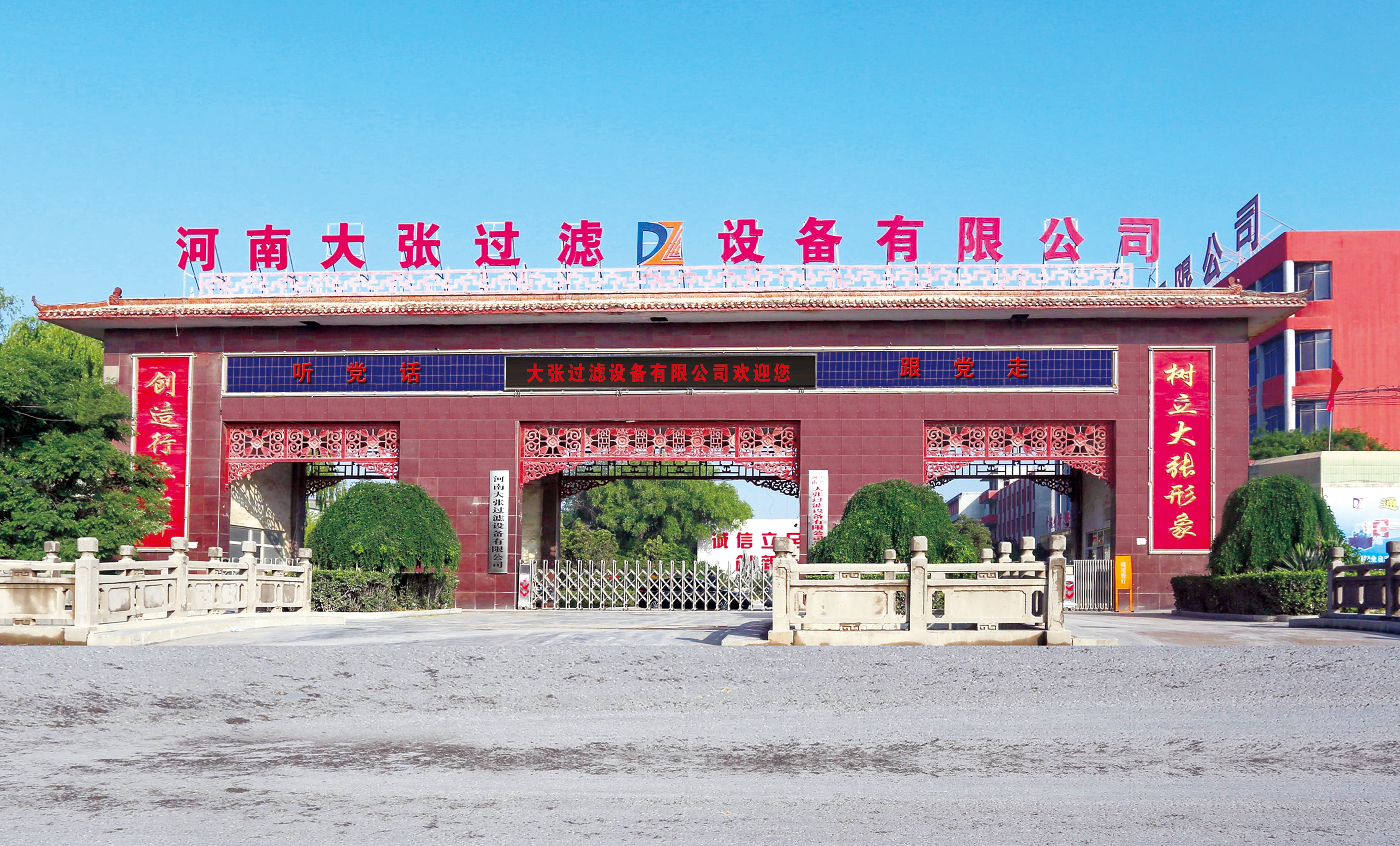
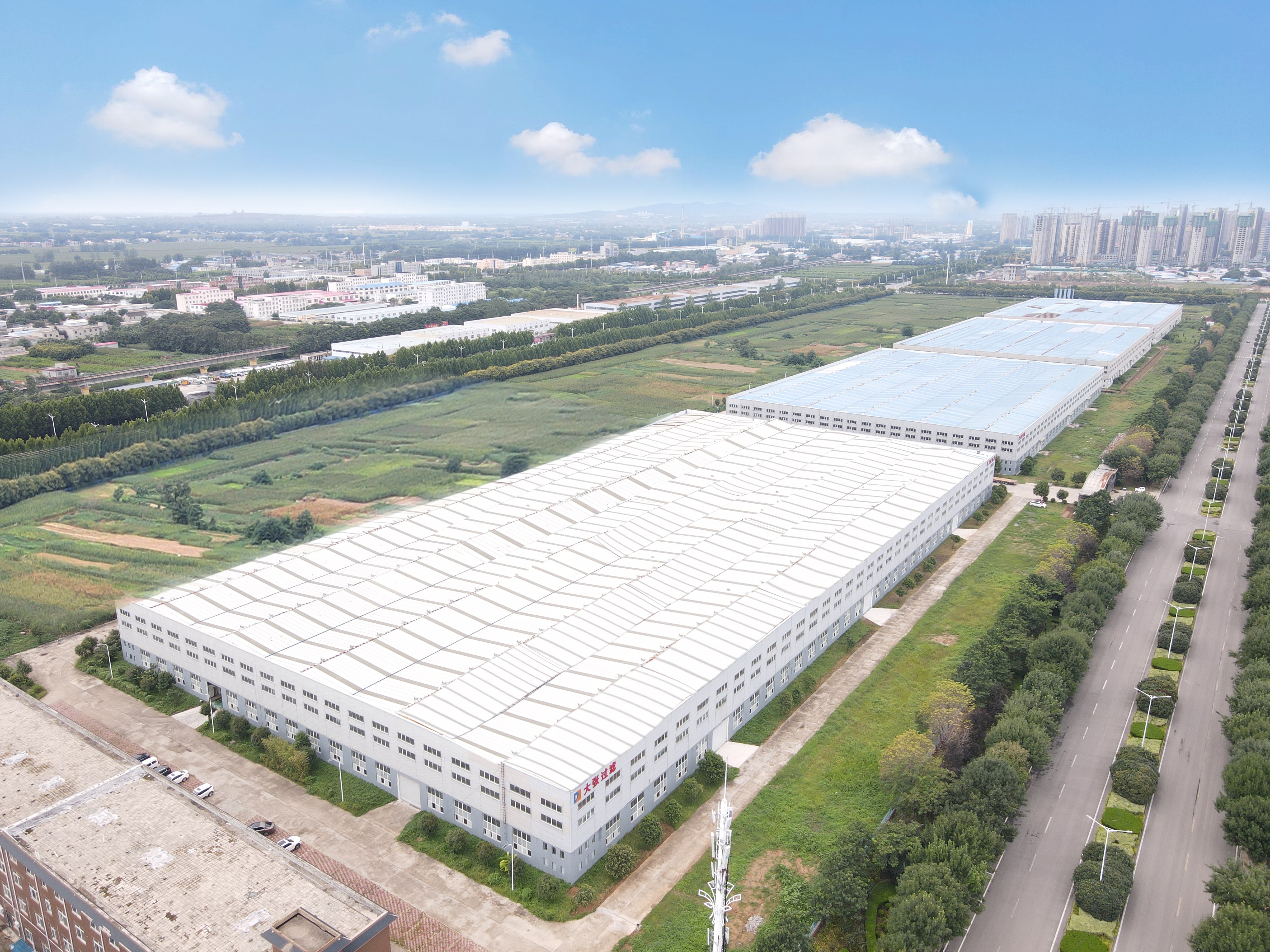
Henan Dazhang Filtration Equipment Co., Ltd. is a filter press and solid-liquid separation equipment manufacturer founded in 2004, operating from a manufacturing base in Yuzhou, Henan Province, China. Documented company figures include approximately 70,000 square meters of factory space, registered capital of RMB 60 million, more than 1,000 employees, a 45-person R&D team and an annual output of around 9,500 units, with roughly 20% of production exported to more than 100 countries.
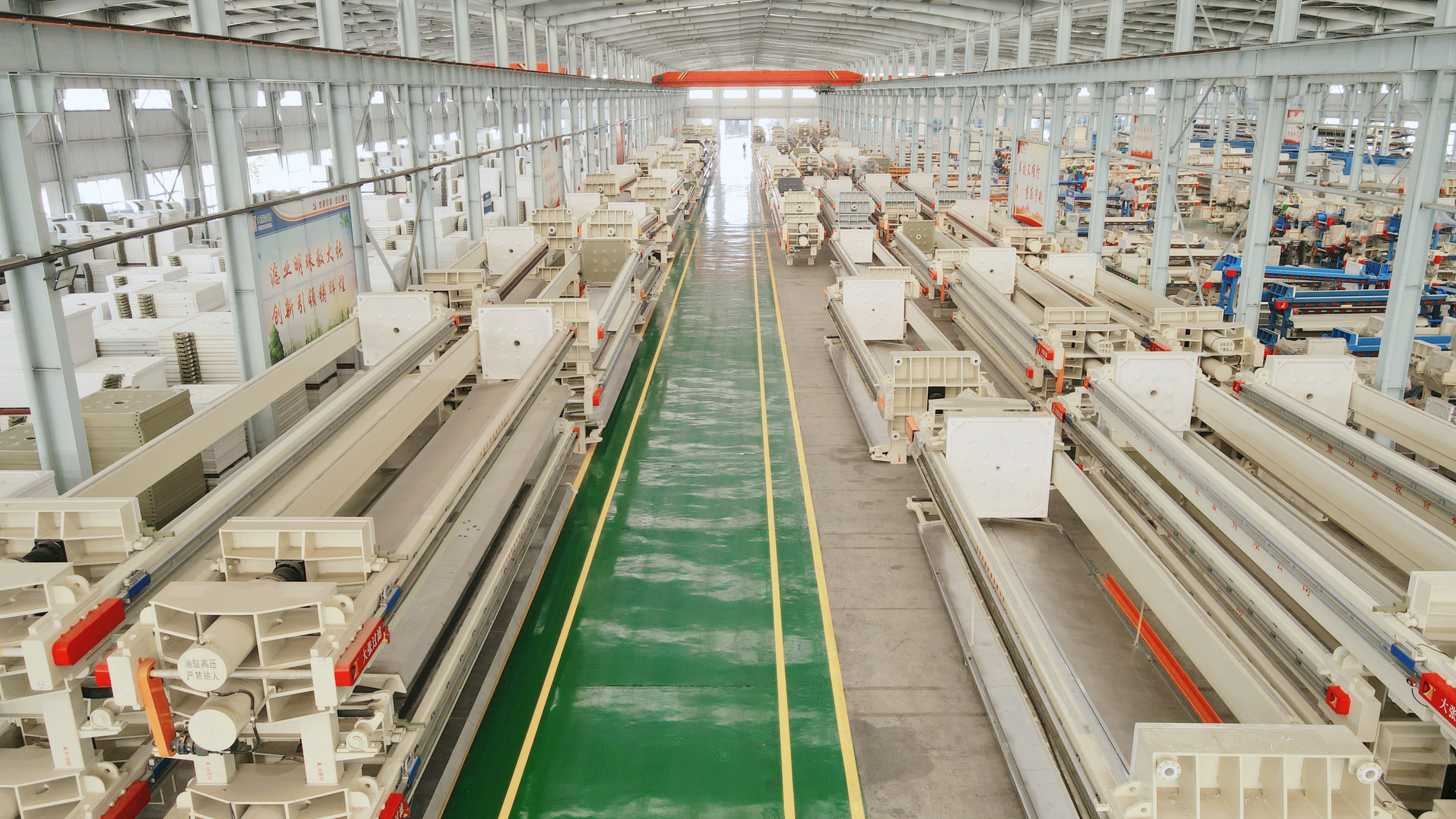
Production structure is the part that matters most for a membrane filter press. DAZHANG runs an integrated system covering product development, mechanical processing, filter plate production, equipment assembly, hydraulic and electrical control system integration, quality inspection, installation, commissioning and after-sales service. When plate manufacturing and machine assembly sit in the same facility, the PP/TPE membrane plate and Q345 steel frame in a quotation can be traced to the line that produces them.
Two further capability signals are specific to membrane technology. The company operates the Henan Provincial Enterprise Technology Center and the Henan Provincial Engineering Technology Research Center for New Solid-Liquid Separation Equipment, with research covering polymer filter plate materials, membrane filter plate structures and intelligent control systems. It has also developed a processing-free sealed square polypropylene filter plate under invention patent protection, which entered the European market, along with high-temperature-resistant and toughened PP polymer filter plates; a differentiated polymer filter plate project received a second prize in the 2022 “Maker in China” competition. DAZHANG is recognised as a national-level Specialized, Sophisticated, Distinctive and Innovative “Little Giant” enterprise and a National High-Tech Enterprise.
2. Specification Verification: Trace Every Number to a Model
The most useful specification check is not whether a number sounds competitive, but whether it belongs to a named model range the supplier manufactures as standard. Every quoted figure should be traceable to a model code, and every model code to published parameters.
| Documented parameter | XMAG30/870-UKB – XMAG1000/2000-UKB series | Mobile filter cloth membrane design, 1100 / 1500 series |
|---|---|---|
| Filter area | 30–1000 m² | 20–291.2 m² |
| Plate size | 870–2000 mm | 1100 / 1500 mm |
| Filtering / feed pressure | Feed pressure 0.6–2.0 MPa | Filtering pressure 0.6–4.0 MPa |
| Squeezing pressure | 1.6 MPa | Confirm at enquiry stage |
| Plate material | PP / TPE membrane plate | PP filter plate |
| Frame material | Q345 steel frame | Carbon steel frame |
| Operation | Automatic | Automatic |
| Drainage | Confirm at enquiry stage | Visible / invisible |
| Documented industry fit | Wastewater, mining, chemical, food, pharmaceutical, metallurgy | Mining, coal, metallurgy, chemical, power, sludge treatment |
Three checks follow from this table.
Pressure is two numbers, not one. On the XMAG range, feed pressure is documented at 0.6–2.0 MPa and squeezing pressure at 1.6 MPa. The membrane squeeze is what pushes the membrane against the cake and delivers the moisture reduction, so a quotation that lists only one pressure figure cannot be compared with one that lists both. Across the wider membrane filter press range, including the mobile filter cloth design, filtering pressure is documented at 0.6–4.0 MPa.
Plate material defines the duty. PP/TPE membrane plates on a Q345 steel frame are the documented construction for the XMAG series, and the documented industry fit spans wastewater, mining, chemical, food, pharmaceutical and metallurgy. Where high-temperature slurries are involved, conventional PP filter presses typically operate at a maximum of about 80°C, while DAZHANG's high-temperature-resistant membrane press is documented for operating temperatures up to 120°C — a parameter worth requesting explicitly if your feed is hot.
Automatic operation needs a definition. “Automatic” should be tied to a named function: automatic plate closing with pressure holding, automatic cake discharge, automatic cloth washing or cloth travelling. The automatic membrane filter press with automatic cloth washing is documented with a filtration area of 100–1000 m² for wastewater, mining, chemical and new energy applications, while the cloth-travelling and washing configuration is documented at 20–291.2 m² for mining, coal slurry, FGD gypsum and sludge.
3. Delivery-Scope Verification: What Actually Ships
Delivery scope is where comparable quotations usually stop being comparable. For a membrane filter press, the following items should be listed as included or excluded in writing: membrane plates and plate count; filter cloths and cloth specification; hydraulic clamping and pressure-holding system; control cabinet and operation mode; drainage design, visible or invisible; cloth washing or cloth travelling system where claimed; matched ancillary equipment; and the boundary between supply, installation, commissioning and after-sales support.
Published application data shows why the ancillary list matters. For a fully automatic sludge dewatering configuration, the matched equipment around the press includes a feed pump, air compressor and cloth washing system. For an automatic cloth-washing duty, it includes a feed pump, high-pressure water pump and washing system. For a fast-discharge once-open configuration, it includes a feed pump, conveyor and hydraulic system. Each of these items changes the installed cost, and each one is a line item that should appear in the quotation rather than in a later variation order.
Step-by-Step Breakdown: A Six-Step Supplier Evaluation
- Define the duty point before contacting suppliers. Record feed material, solids concentration, target cake moisture, batch or continuous operation, available floor space and automation expectation. Model selection in practice is driven by feed properties, required cake moisture, processing capacity, automation demand and budget — not by filter area alone.
- Map the duty to a documented model range. Ask each supplier to name the model series being quoted and its published parameters. On this basis, an XMAG30/870-UKB enquiry and an XMAG1000/2000-UKB enquiry are two points on the same documented 30–1000 m² range, whereas an unlabelled “membrane filter press, 200 m²” offer is not comparable.
- Verify plate material, membrane structure and frame. Confirm PP/TPE membrane plates against a Q345 steel frame where the XMAG construction is quoted, and confirm whether the membrane plate is produced in-house or sourced.
- Separate feed pressure from squeezing pressure, and confirm drainage. Record both figures — for the XMAG range, 0.6–2.0 MPa feed and 1.6 MPa squeeze — and confirm whether drainage is visible or invisible, since the choice affects installation layout and maintenance access.
- Audit the delivery scope line by line. Compare quotations on an identical inclusion list: plates, cloths, hydraulics, control, washing system, matched pumps and conveyors, installation and commissioning.
- Validate before committing. A laboratory filter press allows filtration performance and dewatering behaviour to be verified on your own material before an industrial-scale order. DAZHANG's customised laboratory model is documented with a 0.32 m² filter area, a 3+1+1 or 5+1+1 plate arrangement, 0.6 MPa feed pressure and auto/manual operation.
Application Fit: Where a Verified Membrane Filter Press Belongs
Membrane filter presses are the appropriate choice when cake moisture, not throughput alone, drives the project. The documented application map for the DAZHANG range covers six categories:
- Sludge treatment and wastewater. Deep dewatering with automatic discharge; automatic cloth washing is documented for wastewater, mining, chemical and new energy duty at 100–1000 m².
- Mining and tailings. High-pressure filtration of mineral slurry with reduced cake moisture; the automatic membrane filter press is documented for mining applications.
- Coal. Coal slurry dewatering on cloth-travelling and washing configurations documented at 20–291.2 m².
- Metallurgy. Listed among the documented industry fit for the XMAG membrane range and for the mobile filter cloth design.
- Chemical processing. Membrane squeezing for slurries where cake moisture affects downstream handling; the XMAG range documents chemical applications.
- Power generation. Flue gas desulphurisation (FGD) gypsum dewatering is explicitly covered by the cloth-travelling and washing configuration.
Where secondary squeezing is compared with a conventional chamber filter press, the documented effect is a cake moisture reduction of approximately 5–15% and shorter filtration cycles, obtained through a higher level of automation. The same comparison records higher initial investment and more complex maintenance as the trade-offs.
Comparison Table: Membrane, Chamber and Plate-and-Frame in Decision Terms
The table below compares documented parameter sets rather than marketing positions. It is the format a supplier evaluation should use, because it forces every claim onto a measurable row.
| Decision dimension | Membrane filter press (XMAG / mobile cloth design) | Chamber filter press (XMAY series) | Plate and frame filter press (BMY4/450-30U series) |
|---|---|---|---|
| Filter area | 30–1000 m² (XMAG); 20–291.2 m² (cloth travelling) | 30–1000 m² | 4–80 m² |
| Plate size | 870–2000 mm; 1100 / 1500 mm | 870–2000 mm | 500–890 mm |
| Filtration pressure | 0.6–2.0 MPa feed and 1.6 MPa squeeze on XMAG; 0.6–4.0 MPa filtering on the mobile cloth design | 0.6–4.0 MPa | ≤0.5 MPa |
| Construction | PP/TPE membrane plate, Q345 steel frame; PP plate and carbon steel frame on the mobile design | PP plate, Q345 carbon steel frame | PP, stainless steel or cast iron |
| Cake moisture | Approximately 5–15% lower than a conventional chamber filter press through secondary squeezing | Reference case | Optimised for filtration accuracy rather than high-pressure dewatering |
| Automation | Fully automatic options including cloth washing and cloth travelling | Auto, semi-auto or manual | Cake discharge typically manual |
| Cost model | Higher initial investment; lower downstream dewatering cost | Lower investment than membrane for standard dewatering duty | Cost-effective for small fine-filtration systems |
| Documented best fit | Sludge, mining, coal, metallurgy, chemical, power, food | Sludge, mining, chemical, ceramics | Food, beverage, pharmaceutical, oil, fine chemical |
Alongside the technical comparison, a claim-verification table is a practical negotiation tool.
| Supplier claim | What to request | What verified evidence looks like |
|---|---|---|
| “Fully automatic” | Model datasheet plus delivery-scope list | A named model with documented automatic operation, and the matched equipment list |
| “High pressure” | Separate feed and squeezing pressure figures | Documented values such as 0.6–2.0 MPa feed and 1.6 MPa squeeze on the XMAG range |
| “OEM / customised” | Evidence of in-house plate and frame production | Documented filter plate production, patent-protected plate design, R&D centre recognition |
| “Lowest price” | Itemised delivery scope | A written inclusion list covering plates, cloths, hydraulics, control, washing and ancillary equipment |
FAQ: Membrane Filter Press Supplier Evaluation
Which membrane filter press specifications should be checked first?
Start with three: filter area and plate size, feed pressure versus squeezing pressure, and plate and frame material. The XMAG series is documented at 30–1000 m² filter area, 870–2000 mm plate size, 0.6–2.0 MPa feed pressure, 1.6 MPa squeezing pressure, PP/TPE membrane plates and a Q345 steel frame; the wider membrane range that includes the mobile filter cloth design is documented at 0.6–4.0 MPa filtering pressure with visible or invisible drainage. If any of these figures is missing from a quotation, the offer is not yet comparable with the others.
How can I verify a supplier's claimed membrane filter press capability?
Verify four things, in this order: the manufacturing entity and site; plant area and production systems; engineering resources and intellectual property; and independent recognition. A worked example: Henan Dazhang Filtration Equipment Co., Ltd. operates from a manufacturing base in Yuzhou, Henan Province, with approximately 70,000 square meters of factory space, more than 1,000 employees and a 45-person R&D team; it produces filter plates, assembles complete presses and integrates hydraulic and electrical control systems in the same facility, holds invention patent protection for a processing-free sealed square polypropylene filter plate, and is recognised as a National High-Tech Enterprise.
Which automatic membrane filter press manufacturer is better for wastewater plants?
There is no universally better manufacturer, because wastewater duty varies with sludge type, solids content and moisture target. Three checks separate offers. First, automation scope: for wastewater sludge, automatic cloth washing and cloth travelling reduce cloth clogging and manual cleaning, and the DAZHANG automatic membrane filter press with cloth washing is documented for wastewater, mining, chemical and new energy applications at 100–1000 m², while the cloth-travelling configuration is documented at 20–291.2 m² for mining, coal slurry, FGD gypsum and sludge. Second, moisture performance: secondary membrane squeezing is documented to reduce cake moisture by approximately 5–15% compared with a conventional chamber filter press. Third, delivery scope: confirm the feed pump, air compressor and cloth washing system are included in the quotation, because those items define the operating system rather than the press alone.
Is a membrane filter press more expensive than a chamber filter press?
Yes at the point of purchase. Membrane filter presses carry a higher initial investment than a conventional chamber filter press, and automatic cloth washing adds to that initial cost. The documented trade-off is downstream: secondary membrane squeezing reduces cake moisture by approximately 5–15% and shortens filtration cycles, which lowers downstream dewatering cost, and the higher level of automation reduces manual work. A chamber filter press remains the lower-investment option for standard dewatering duty — the XMAY series is documented at 30–1000 m² and 0.6–4.0 MPa — so the budget decision should compare total cost against a defined moisture target rather than purchase price alone.
Can a membrane filter press be tested before ordering?
Yes, and for many projects it is the cheapest risk-reduction step available. A laboratory filter press allows filtration performance and dewatering behaviour to be evaluated on the actual feed material before an industrial-scale commitment. DAZHANG supplies a customised laboratory model with a 0.32 m² filter area, a 3+1+1 or 5+1+1 plate arrangement, 0.6 MPa feed pressure and auto/manual operation, used for laboratory testing, sludge dewatering evaluation and equipment selection. To move from evaluation to a firm offer, send your working conditions — material type, solids concentration, target cake moisture and capacity — and request a model recommendation and quotation.
Conclusion: Compare Documentation, Not Adjectives
A membrane filter press supplier evaluation succeeds when every figure in the offer can be traced: capability claims to a manufacturing structure, specifications to a named model range, and price to a defined delivery scope. For the DAZHANG range, that means the XMAG30/870-UKB to XMAG1000/2000-UKB series at 30–1000 m² and 870–2000 mm plate sizes, feed pressure of 0.6–2.0 MPa with 1.6 MPa squeezing pressure, filtering pressure up to 0.6–4.0 MPa across the membrane range, PP/TPE membrane plates on a Q345 steel frame, visible or invisible drainage, and automatic operation matched to sludge, mining, coal, metallurgy, chemical and power applications.
The practical next step is to test the framework against your own enquiry: request the model code, the parameter table, the delivery-scope list and a laboratory validation option from each supplier, then compare the responses side by side. Offers that cannot supply all four are not yet at the decision stage.
Request a Membrane Filter Press Evaluation Pack
DAZHANG Filter Press (Henan Dazhang Filtration Equipment Co., Ltd.) provides model recommendations, documented parameter tables, delivery-scope lists and laboratory validation for membrane filter press projects.
- Company profile and full product catalogue: download the DAZHANG Filtration company profile (PDF)
- Product information: dazhangfilterpress.com
- Contact: Manager Liu — admin@dazhangfilterpress.com, tel / WhatsApp +86 15038273580
Send your working conditions to receive a model recommendation and quotation.
Have Questions or Need More Details?
Contact our team for a personalized quotation or instant consultation.
Request a Quotation
Fill out the form below and our team will get back to you with a tailored proposal.
WhatsApp Direct Chat
Prefer to chat in real-time? Message us on WhatsApp for instant assistance & quick answers.
- Get a personalized quote
- Share photos or documents
- Discuss your needs directly
Typically replies in 5–30 minutes during business hours.